The Journey and History of Cochineal in the Canary Islands: Lanzarote
The cochineal insect (Dactylopius coccus), originally from Mexico, was used by the Aztecs as a natural dye long before the arrival of Europeans. They called it nocheztli, meaning “blood of the cactus” in their language.
In 1820, Ildefonso Ruíz del Río, a member of the Royal Economic Society of Cádiz, introduced the cochineal to Spain after receiving it from Pedro José Corujo in Mexico. After initial experiments, he sought a more suitable climate for its cultivation and chose the Canary Islands.
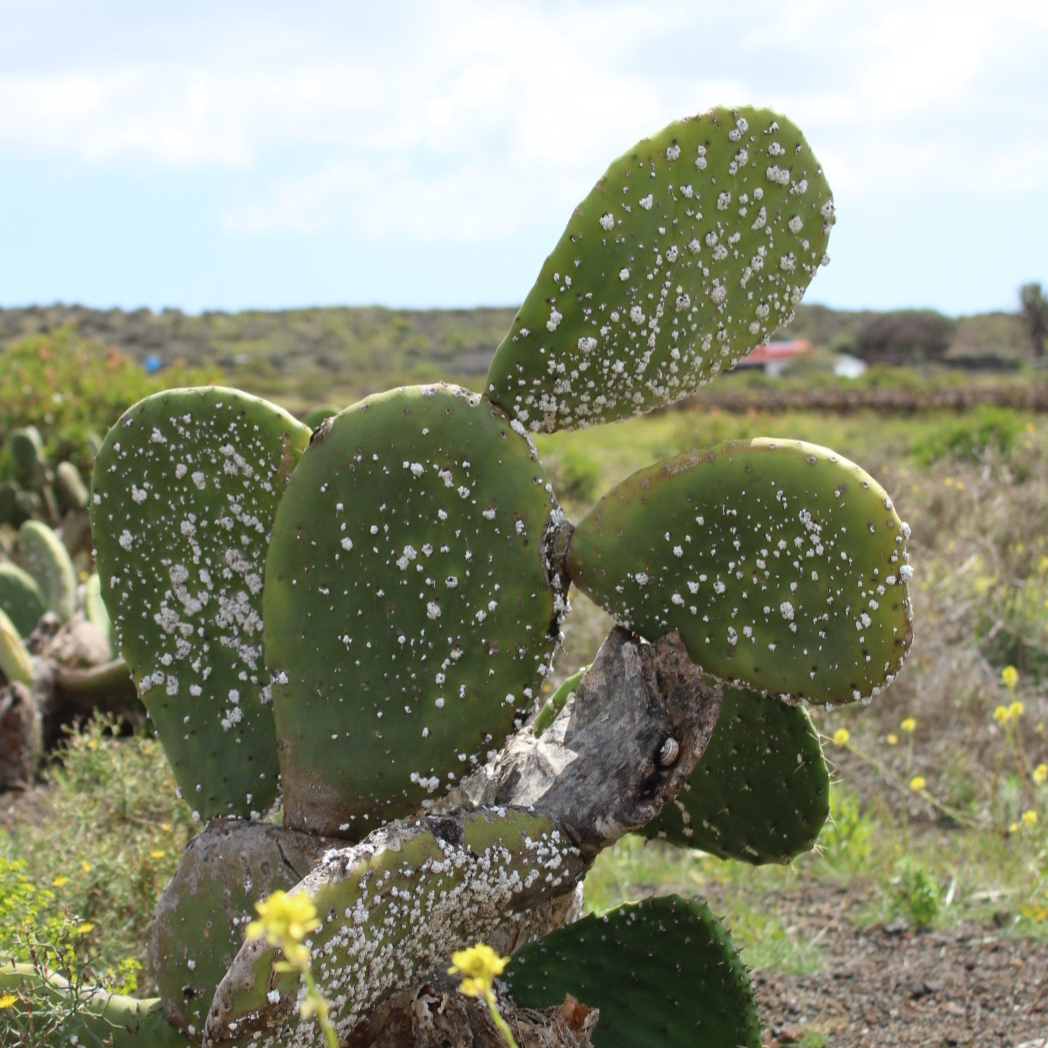
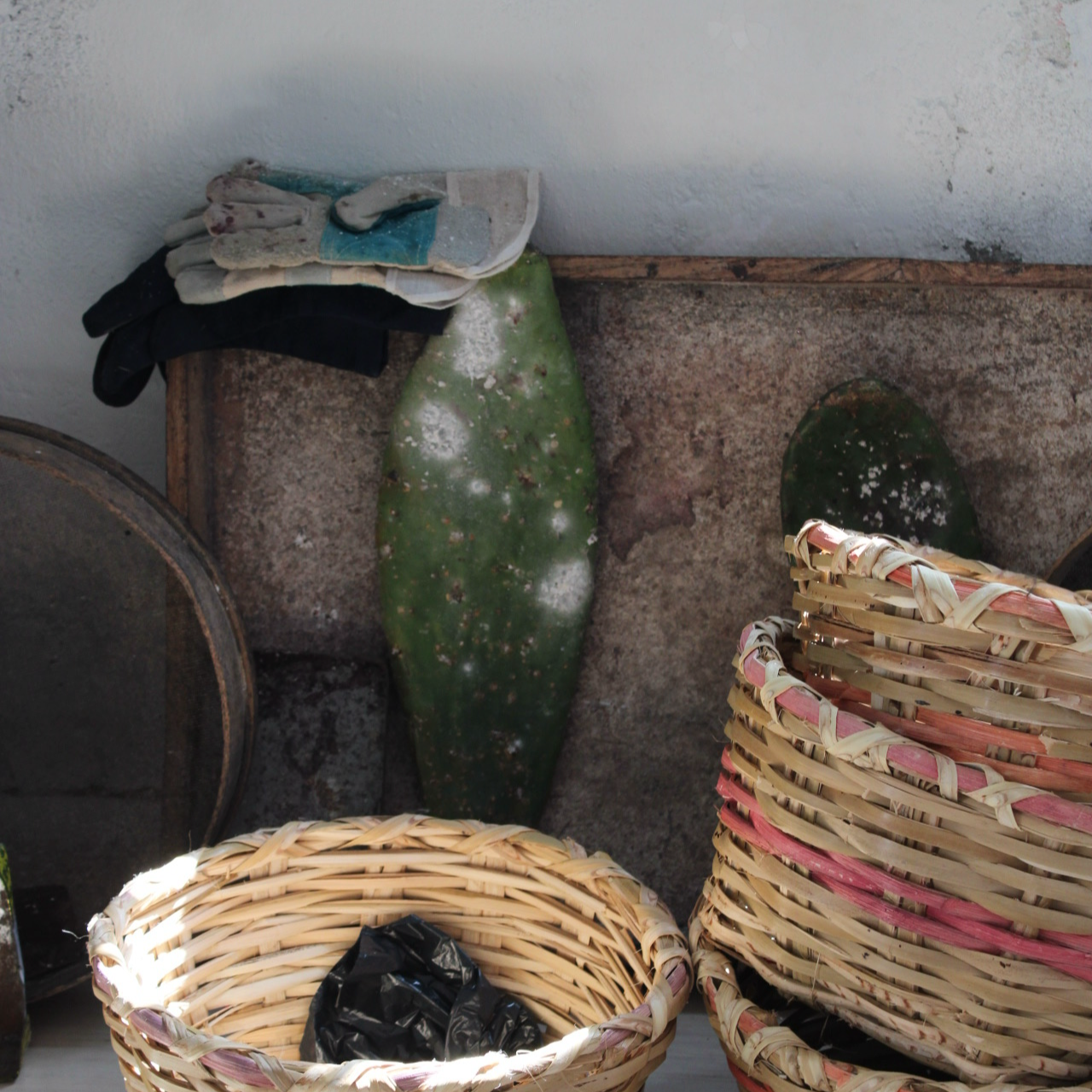
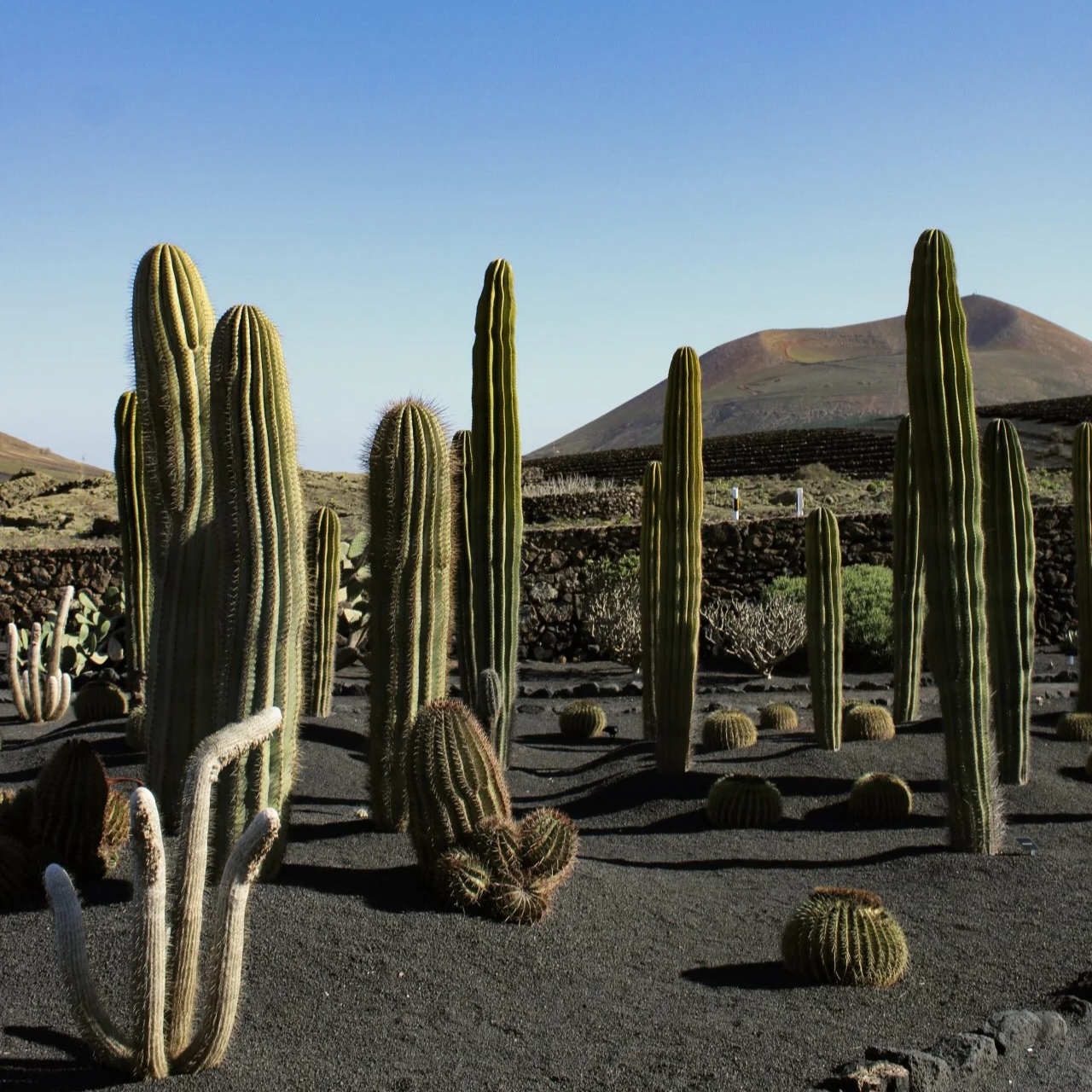
By 1825, cochineal was introduced to Tenerife and later to Gran Canaria. It reached Lanzarote around 1835, with early cultivation recorded in the “El Patio” estate in Tiagua. By the mid-19th century, the villages of Mala and Guatiza became the island’s main production centers. The prickly pear cactus (Opuntia ficus-indica), well adapted to Lanzarote’s arid conditions, provided the perfect environment for breeding cochineal.
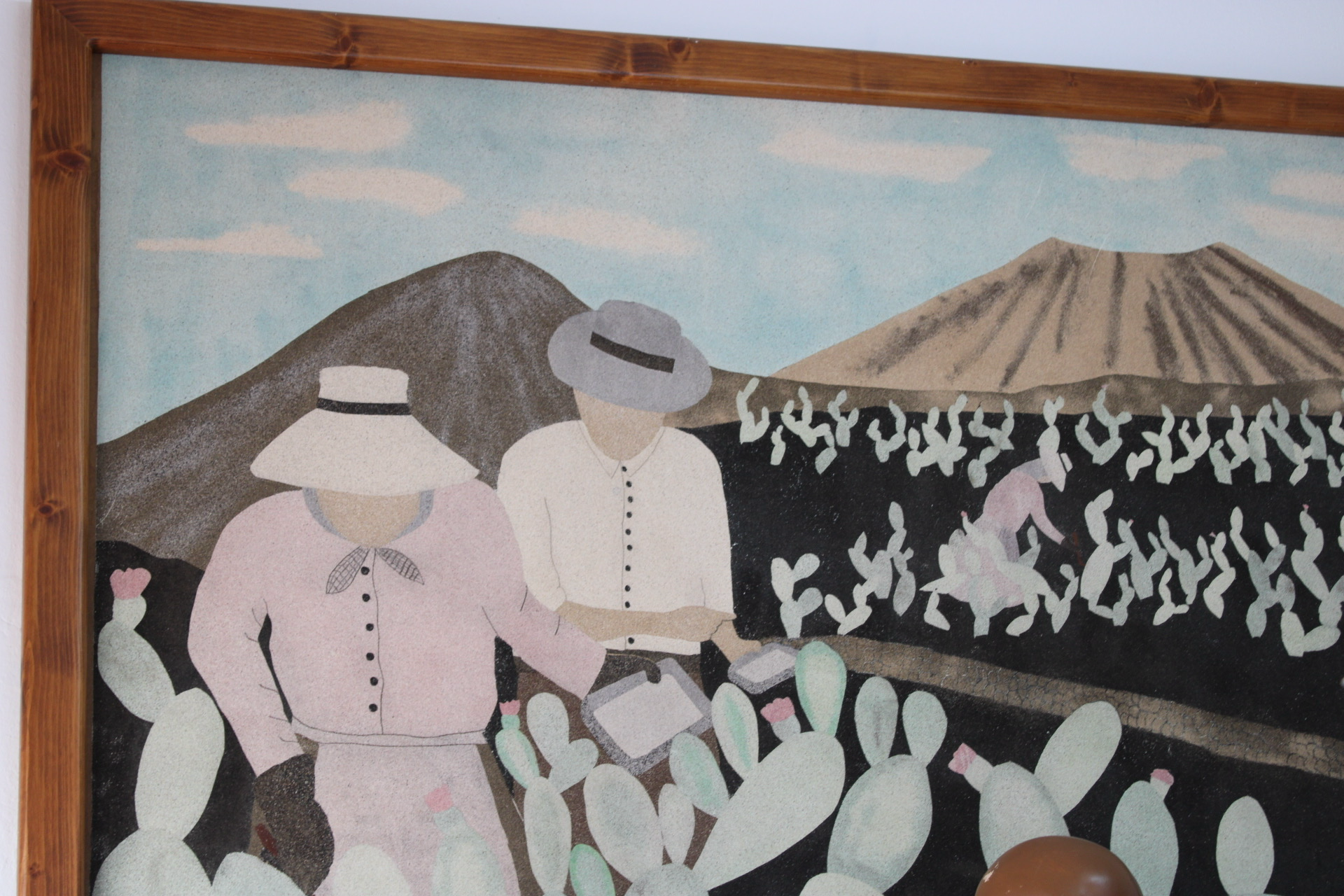
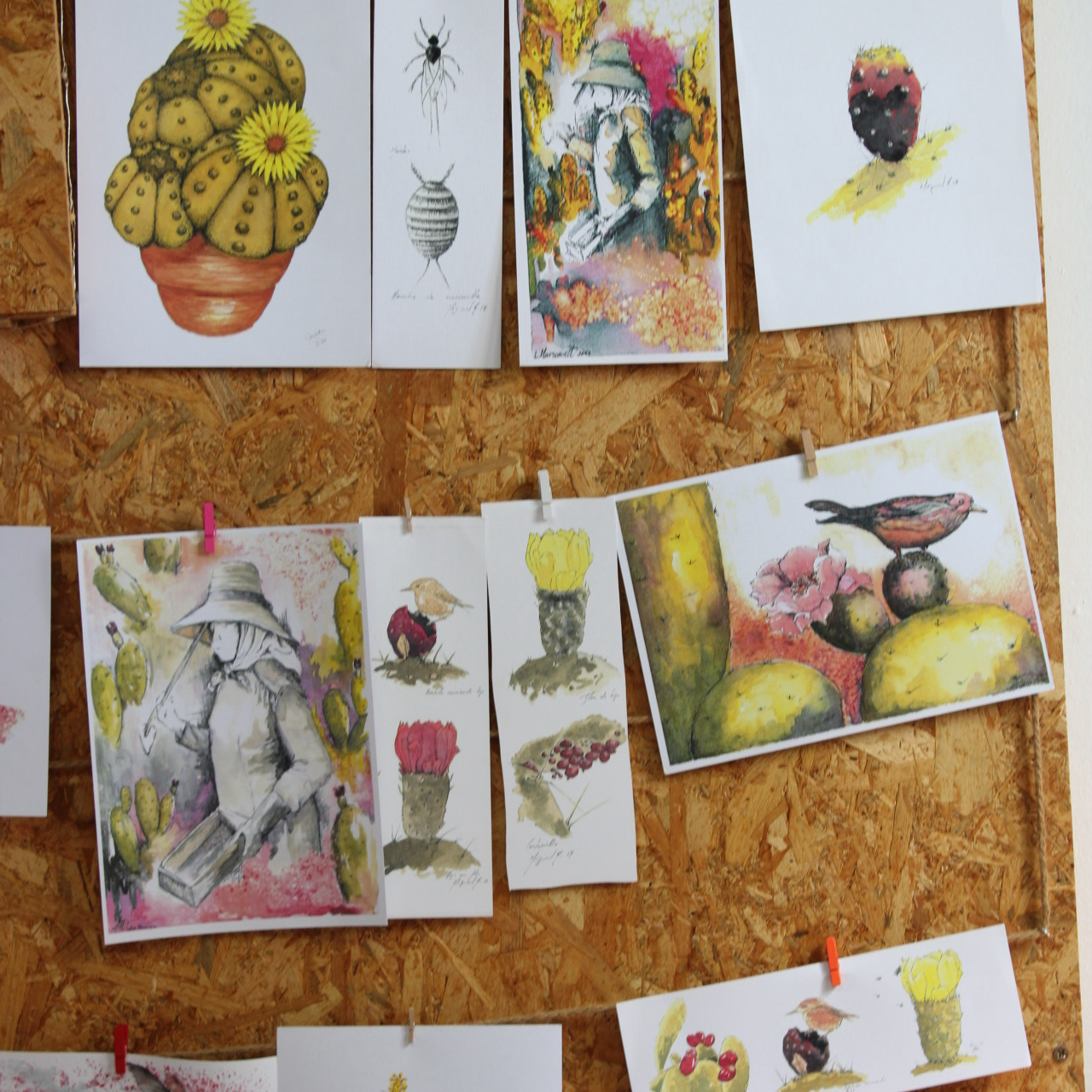
A work of art depicting the harvesting of cochineal.
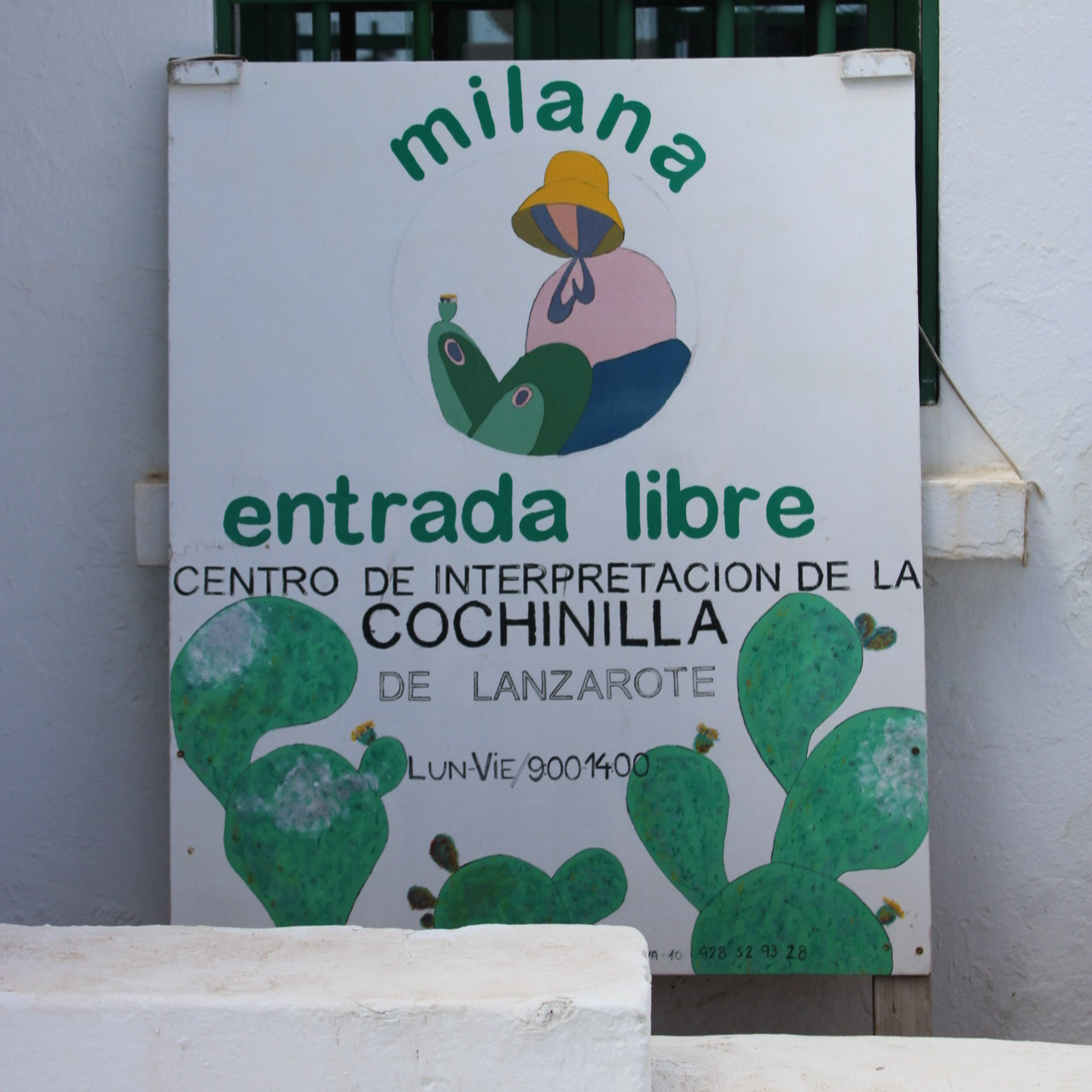
The Asociación Milana was founded in 2005 by a group of residents interested in Lanzarote’s rural development. Its mission, as stated in Article 2 of its statutes, is to preserve and promote the culture of cochineal on the island, offering support and advice to farmers and the general public through events and activities.
The association’s work began in the 2003-2004 school year with an educational project at CEIP Las Mercedes in Mala, aimed at reviving the prickly pear and cochineal industry. This led to the creation of the Atlántida Project, a socio-economic study of the village of Mala, which ultimately inspired the Asociación Milana, dedicated to cultural, agricultural, and heritage preservation.
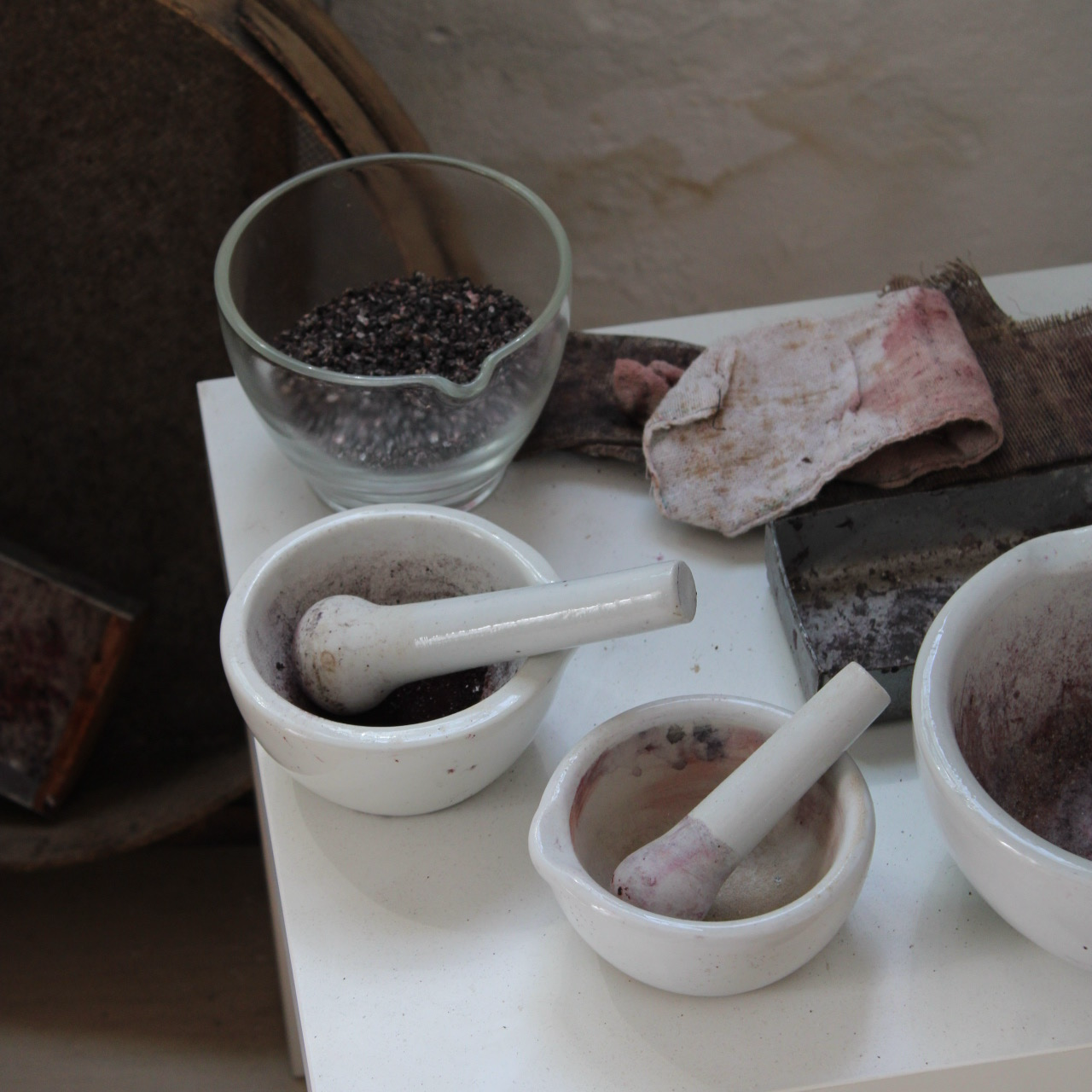
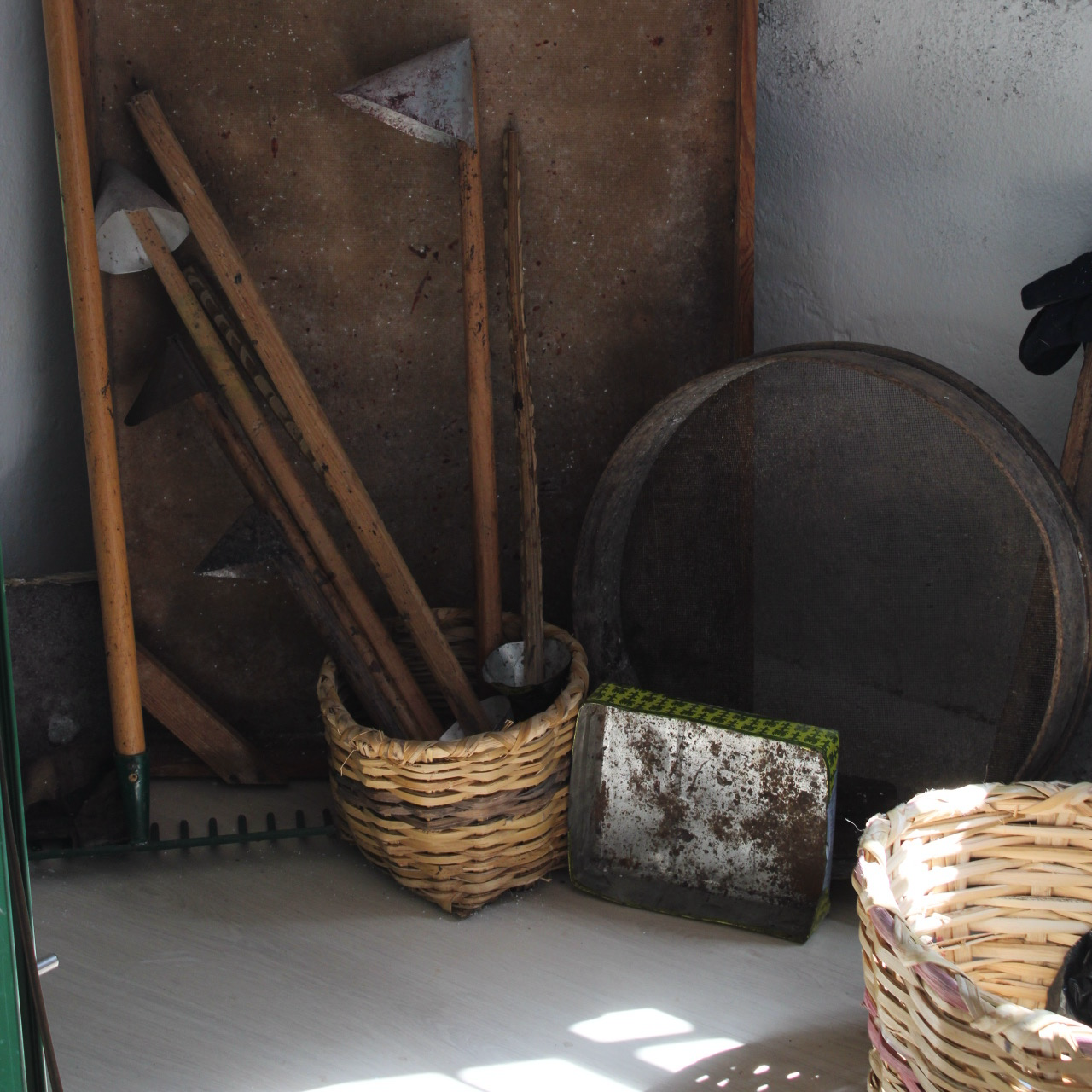
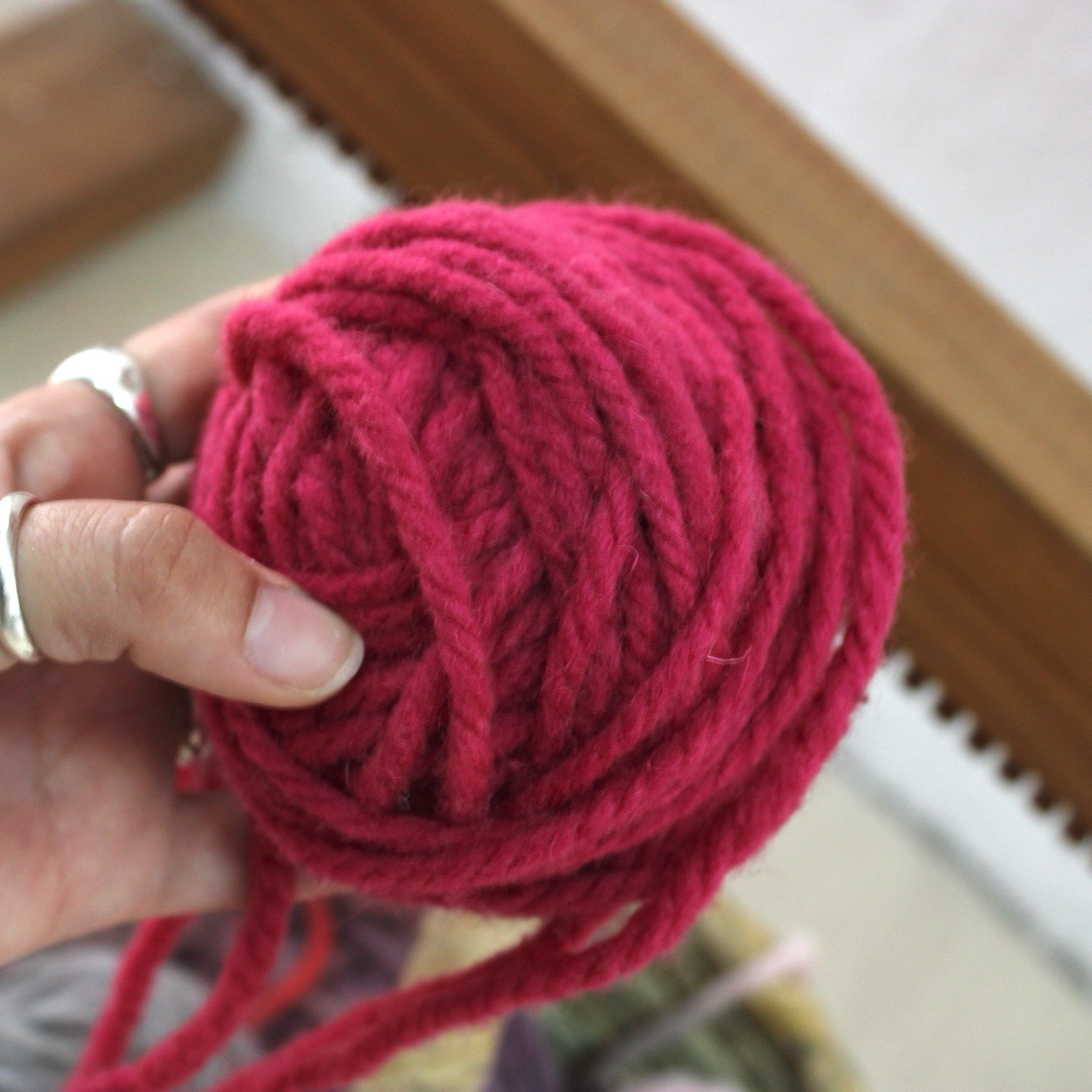
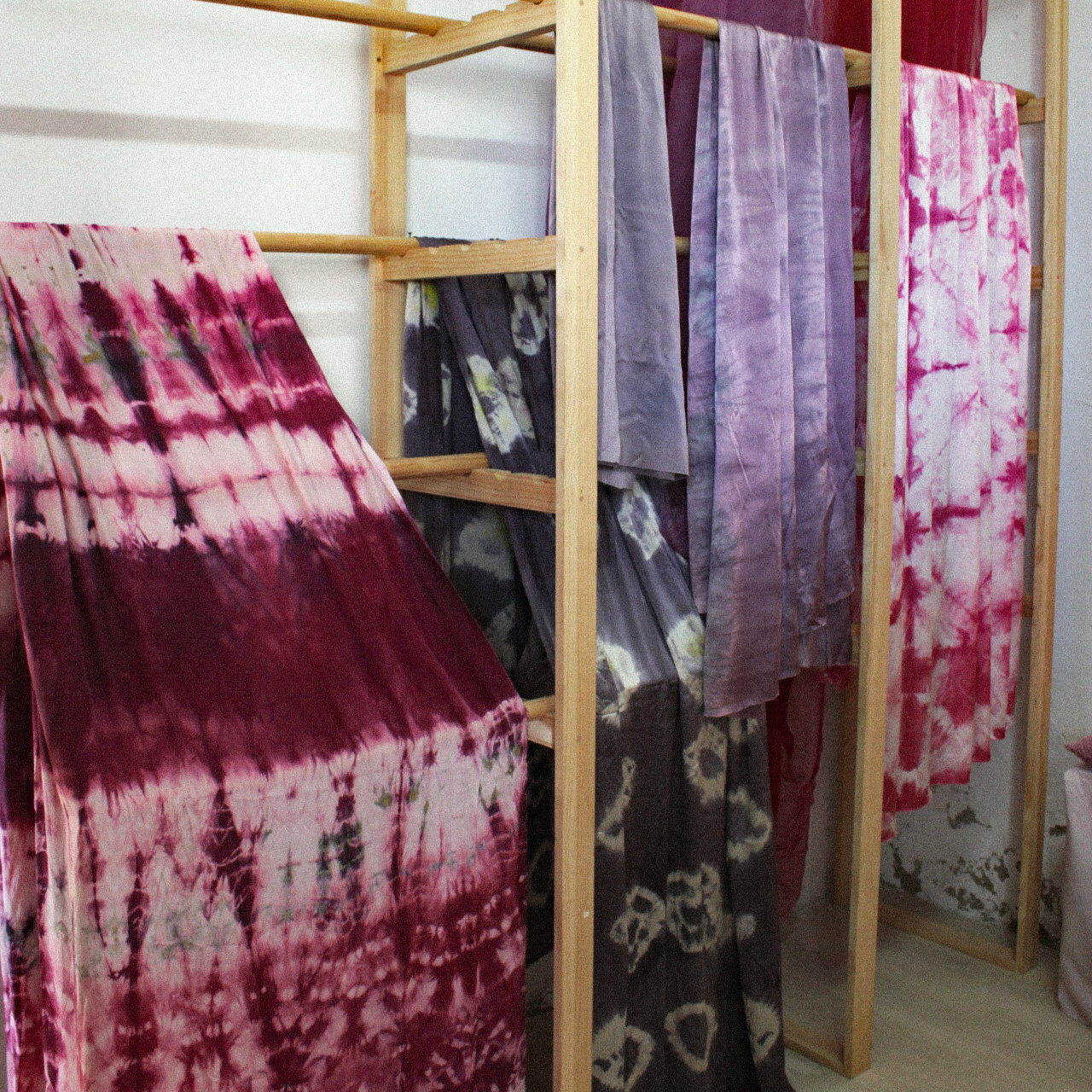
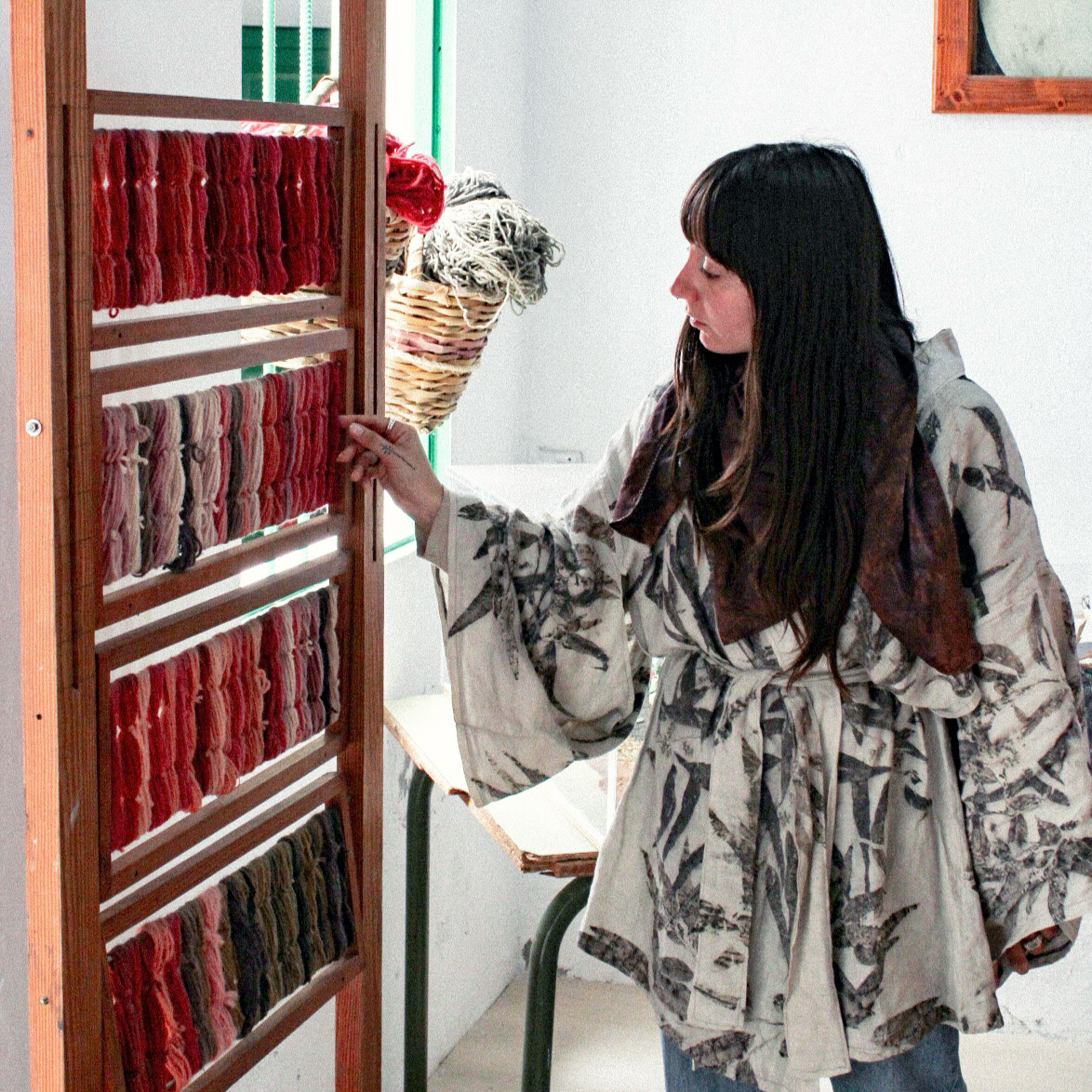
During our visit, we were given a guided tour where they beautifully showcased the production, processing, and application of the cochineal dye in textiles, including yarns and clothing.
You can also watch a short video from the visit here