The Journey and History of Cochineal in the Canary Islands: Gran Canaria
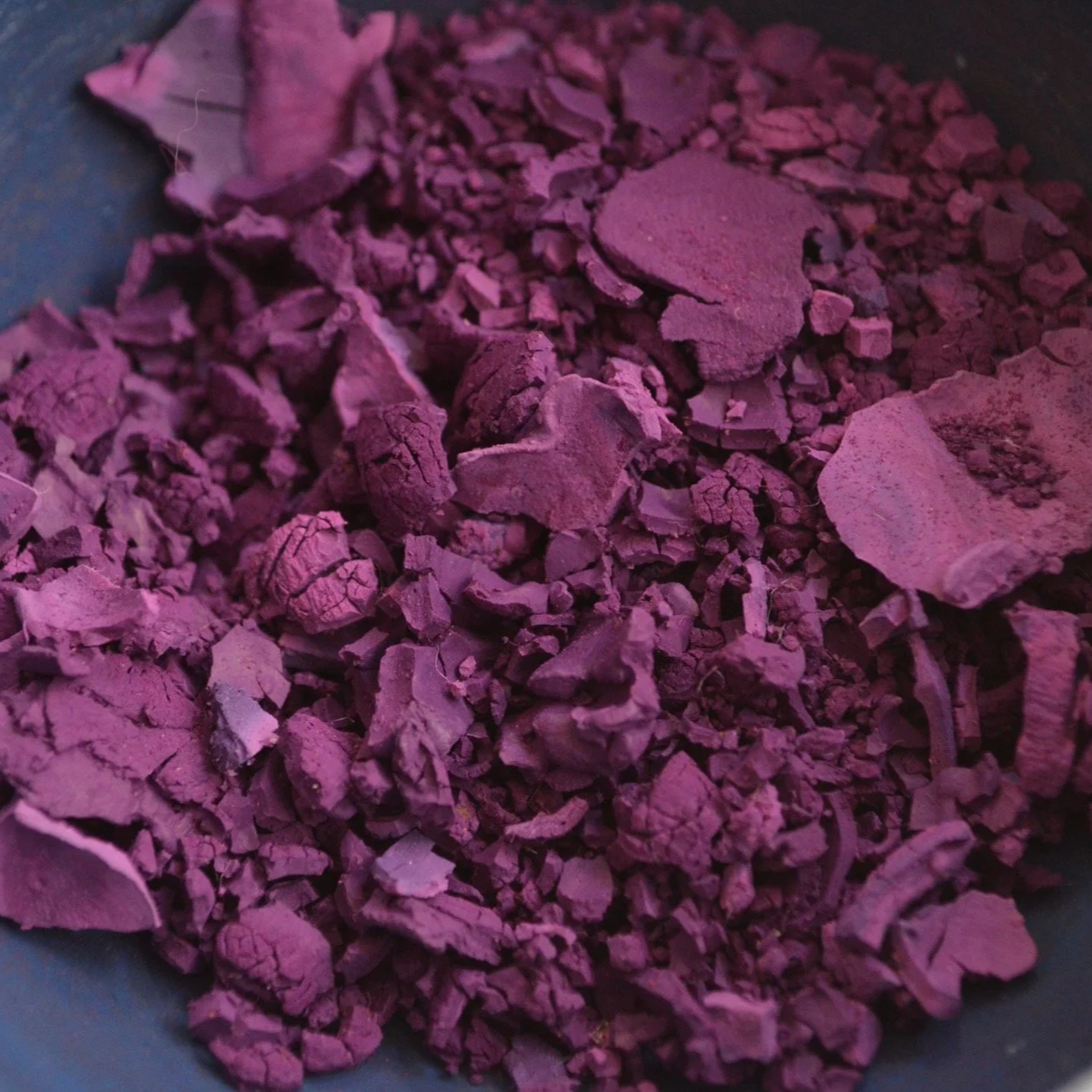
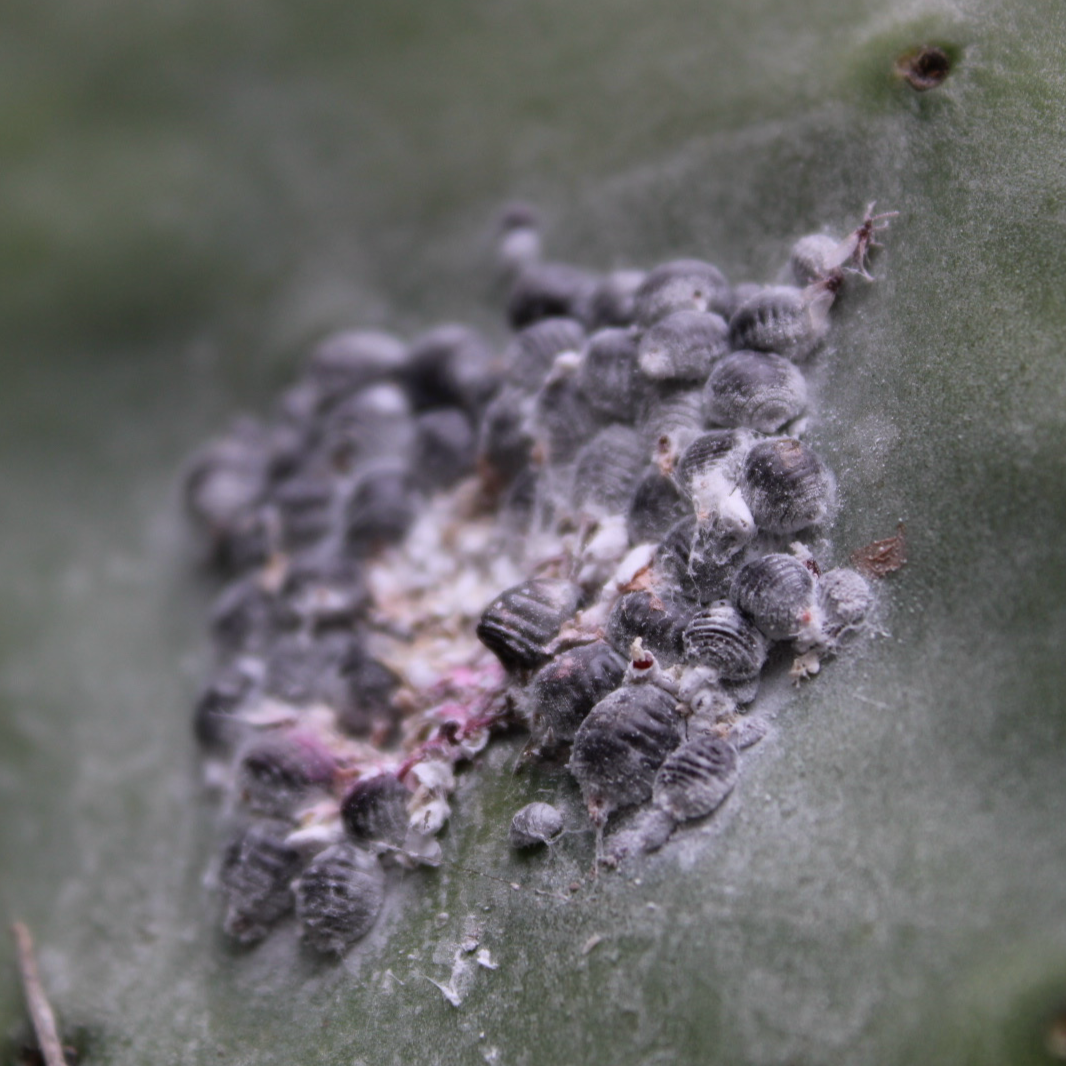
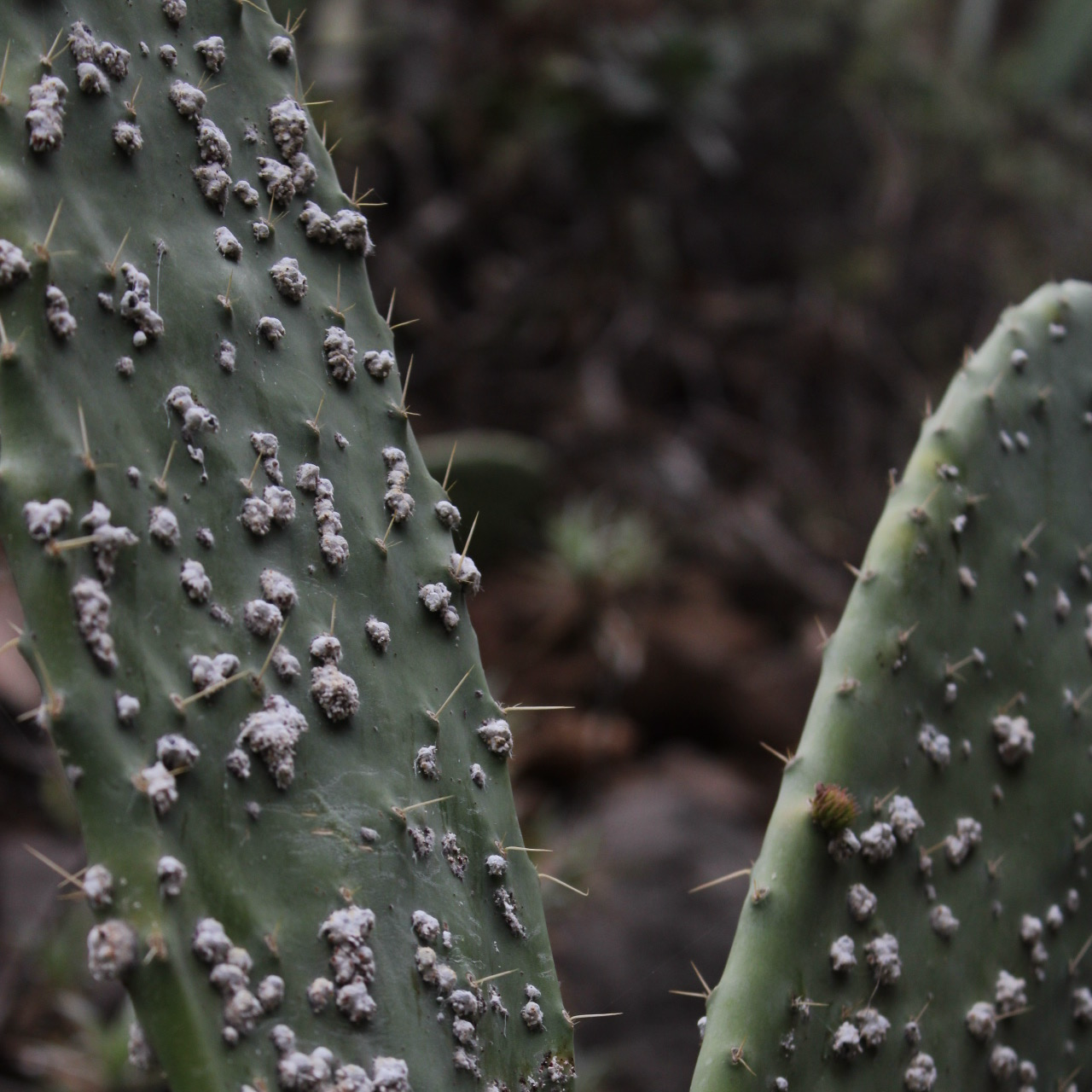
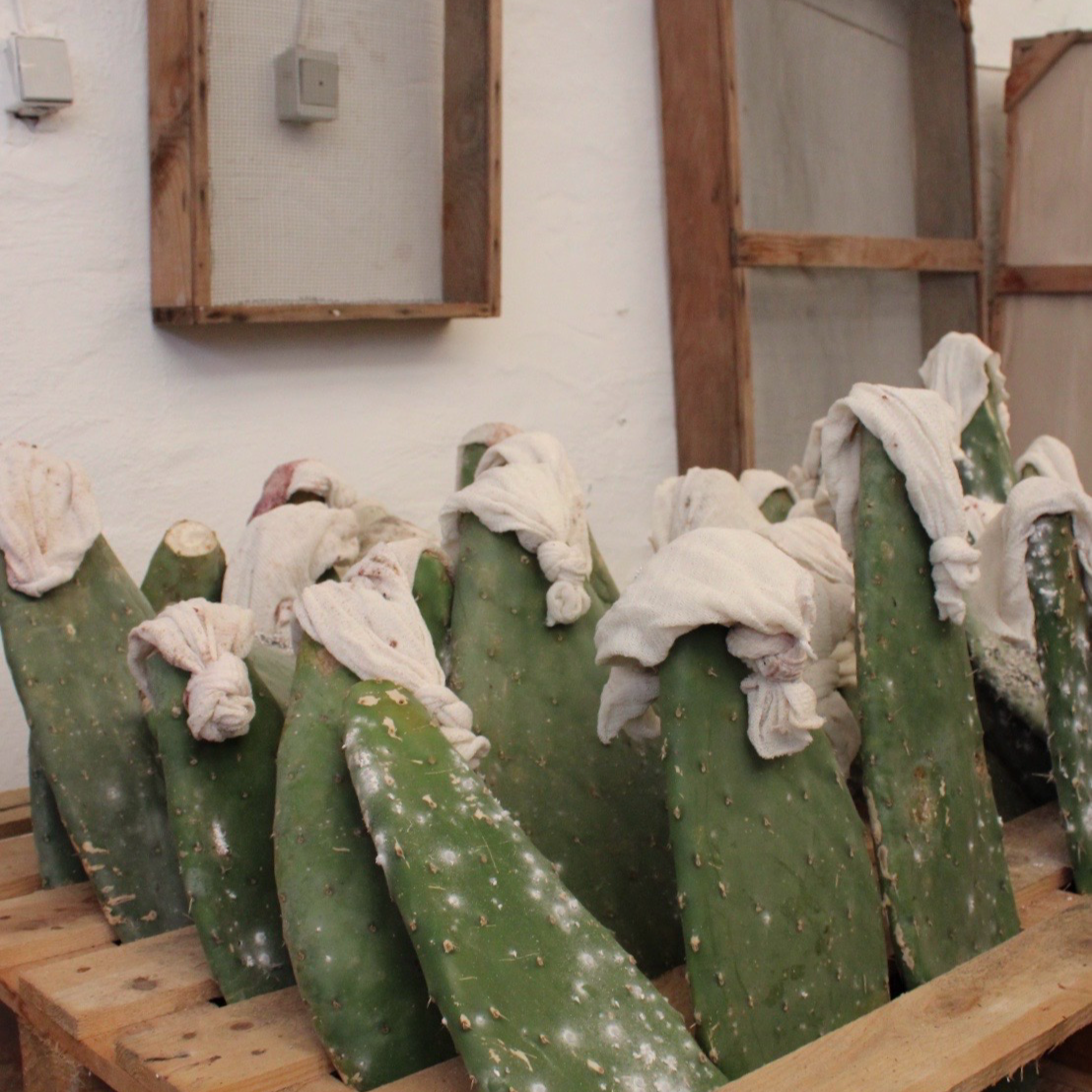
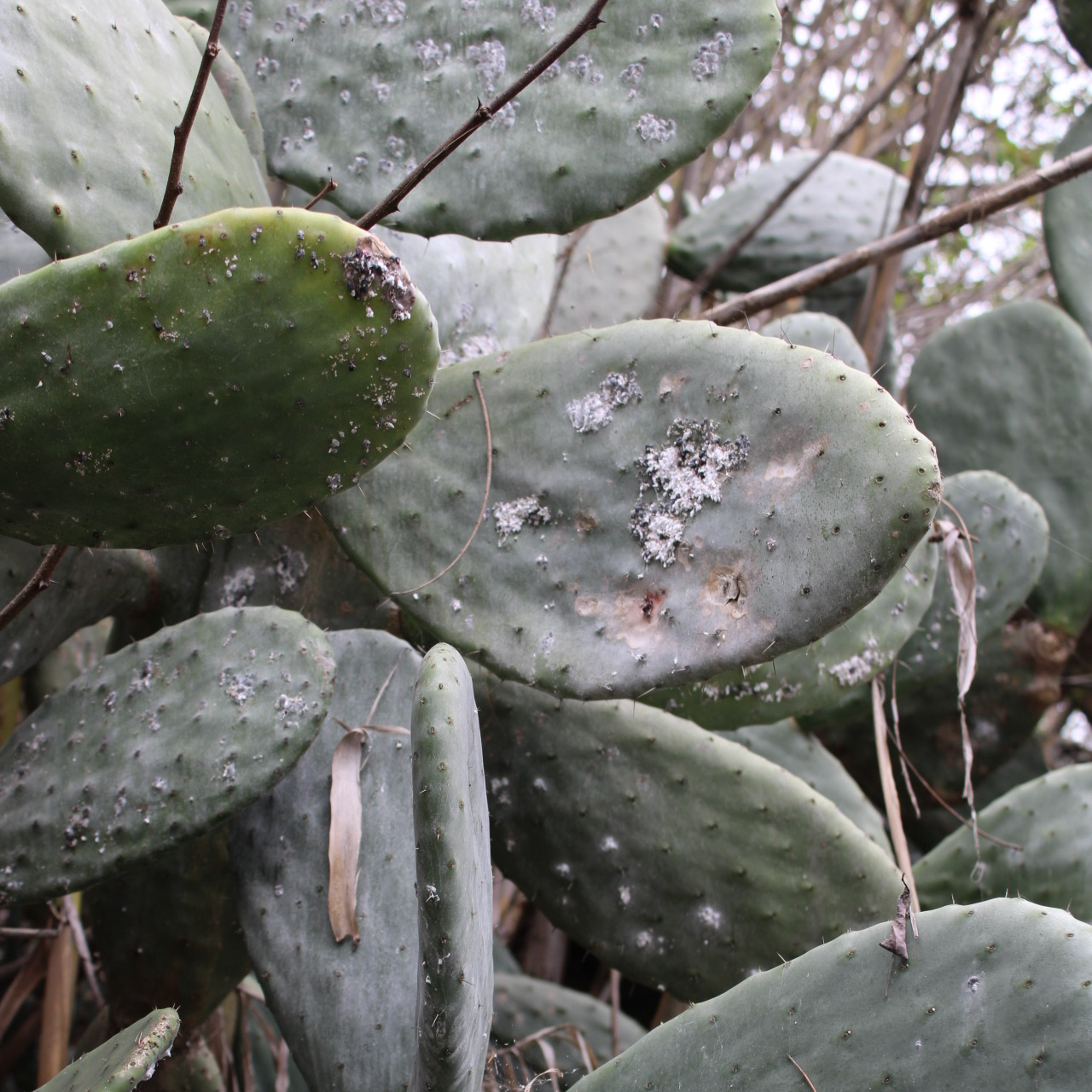
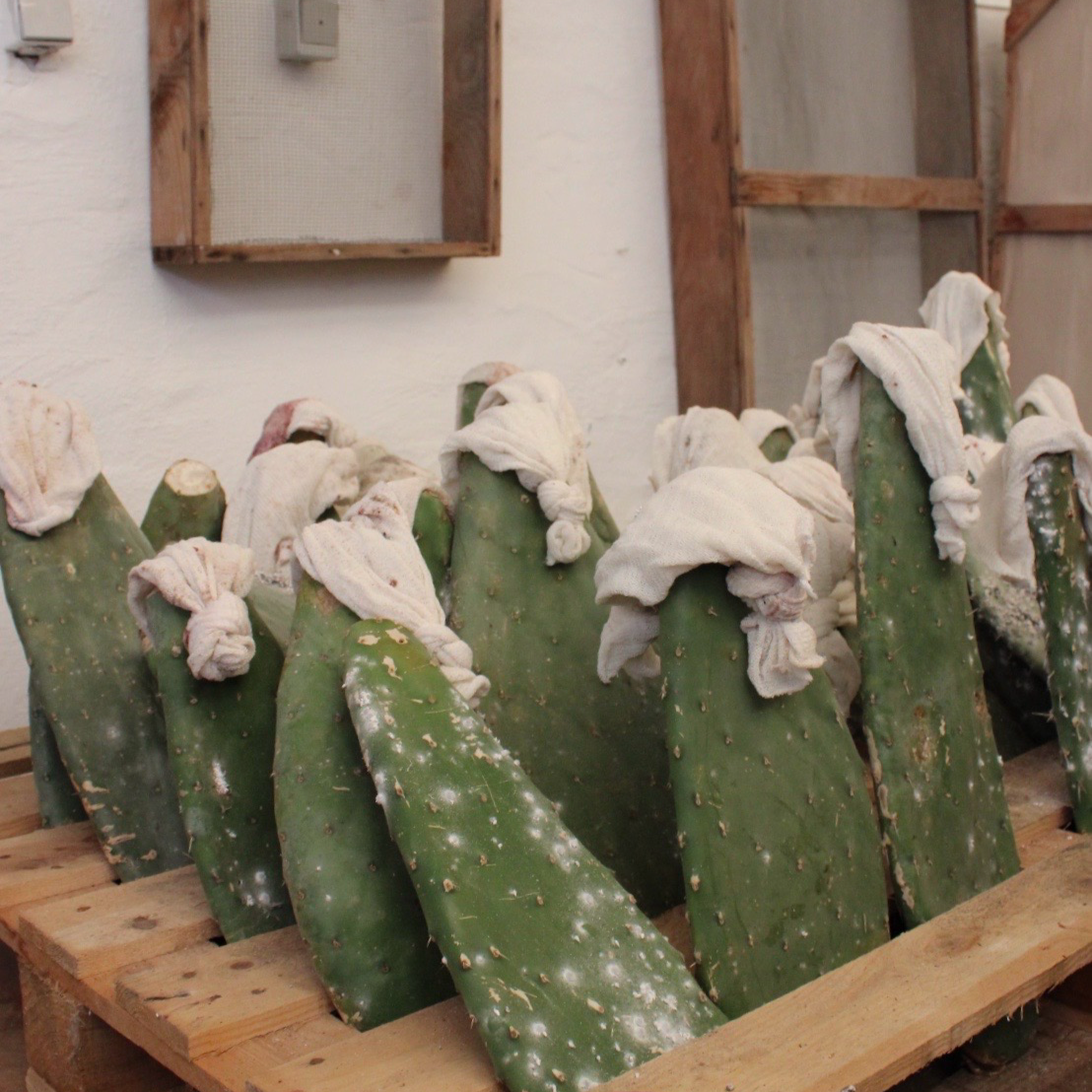
Cochineal, a tiny insect introduced to the Canary Islands from America, became one of the archipelago’s most important economic activities in the 19th century. Cultivated on Opuntia ficus-indica cacti, it produces carmine, a natural dye used in cosmetics, food, and textiles. The industry thrived once trade restrictions were lifted, making cochineal a key export to France and the UK until synthetic dyes emerged, shifting focus to bananas and tomatoes.
cochineal (Dactylopius) on prickly pear (Opuntia)
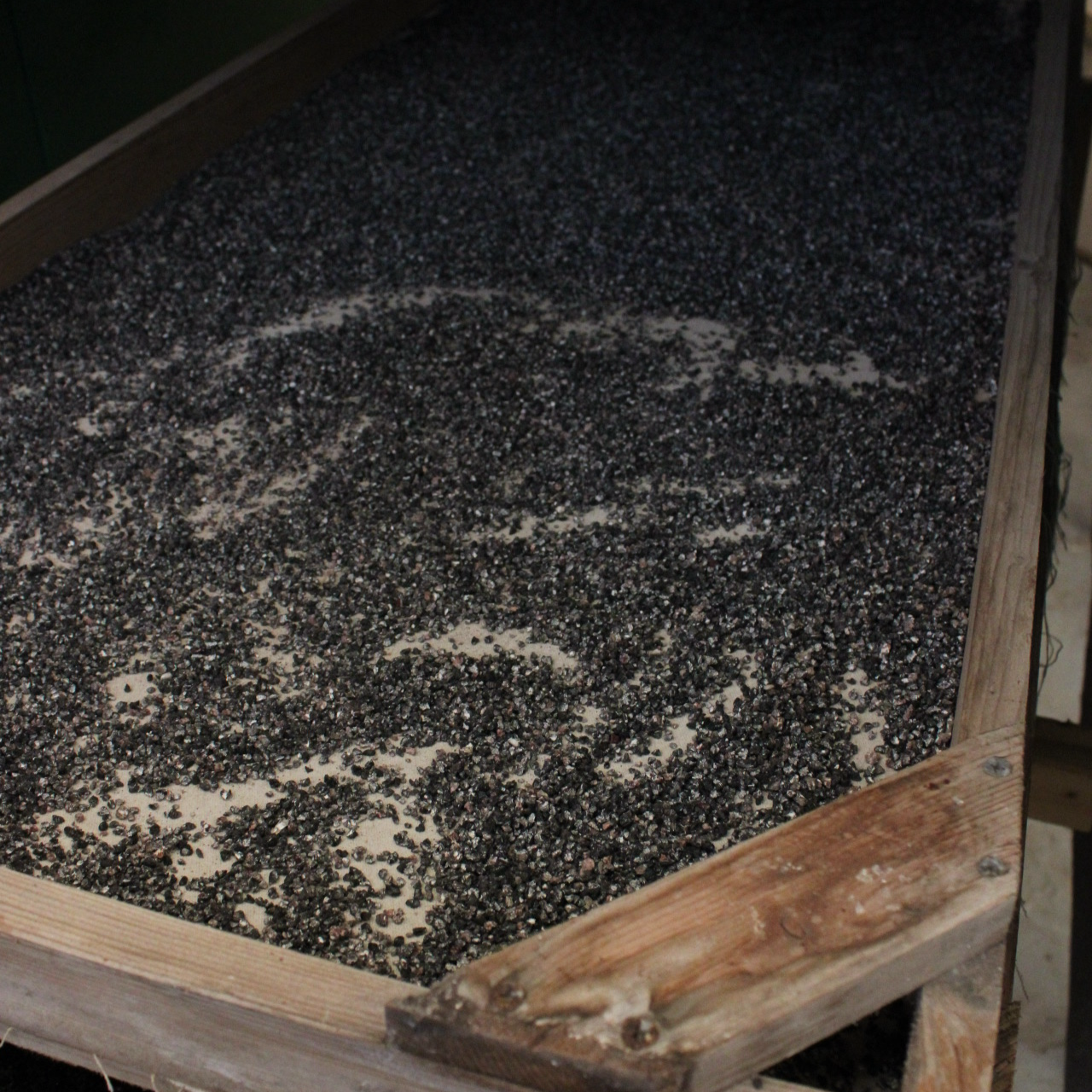
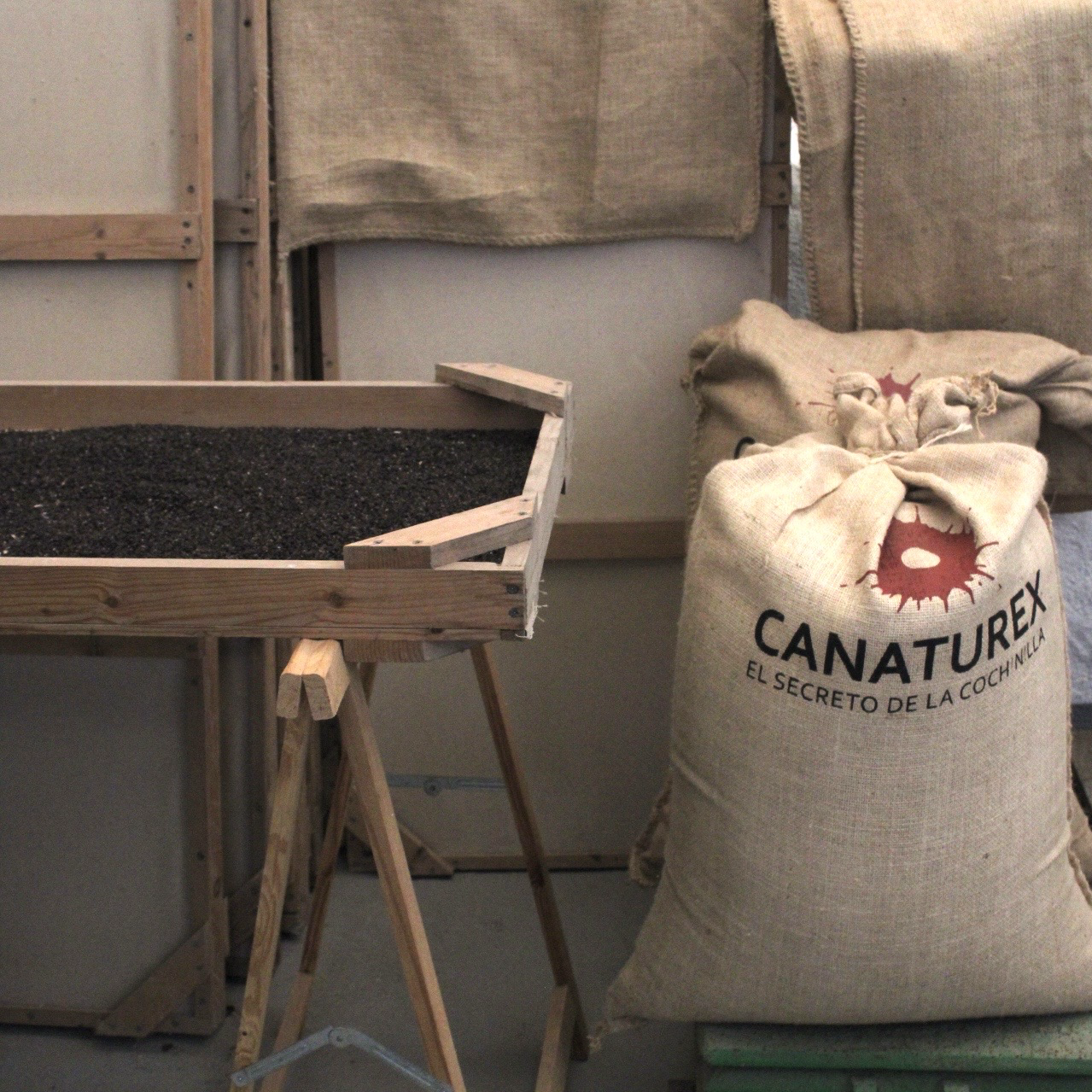
What sets Canarian cochineal apart is its high carminic acid content, thanks to the islands’ dry climate and traditional sun-drying methods. It holds a Protected Designation of Origin (DOP Cochinilla de Canarias), ensuring its authentic, chemical-free production, deeply rooted in Canarian heritage.
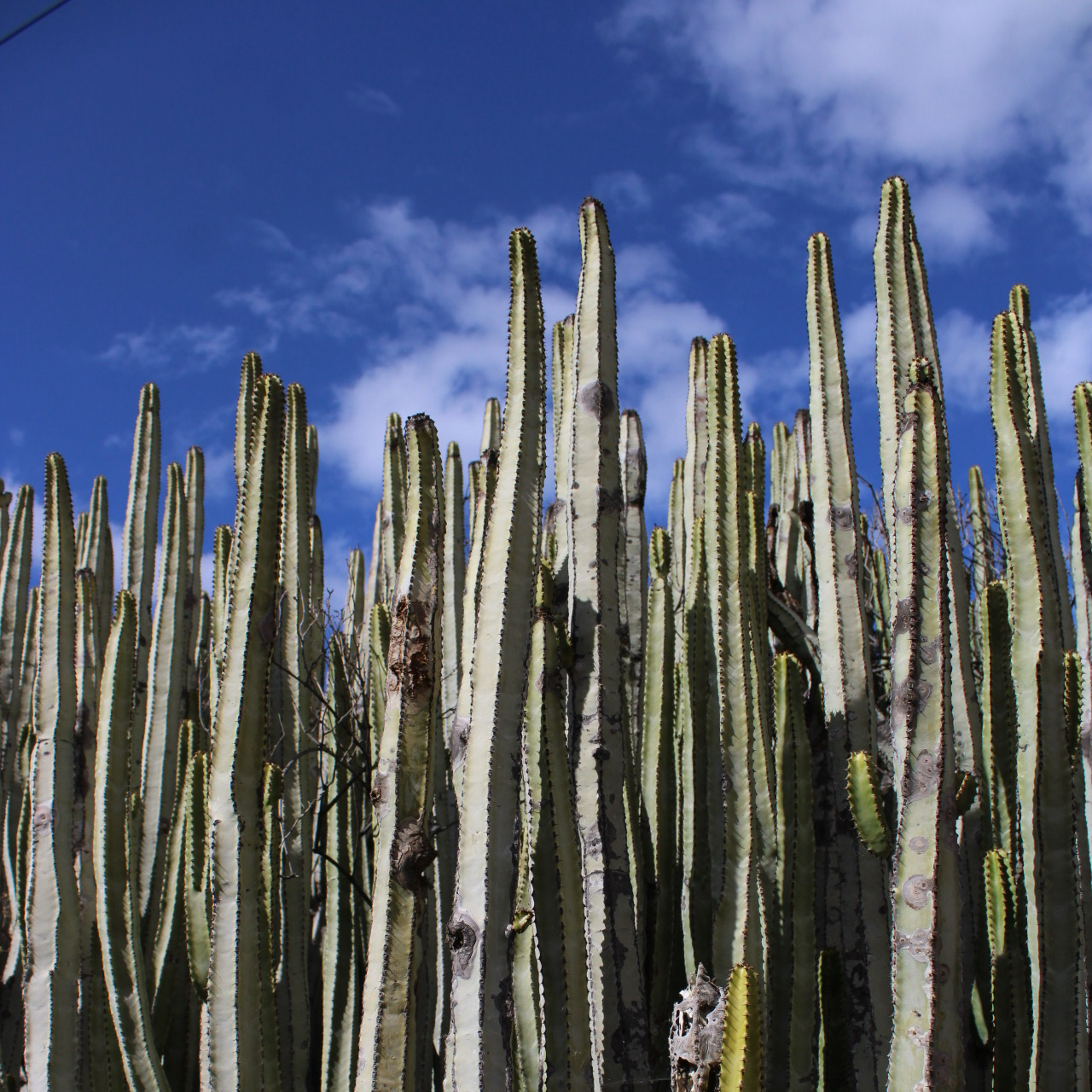
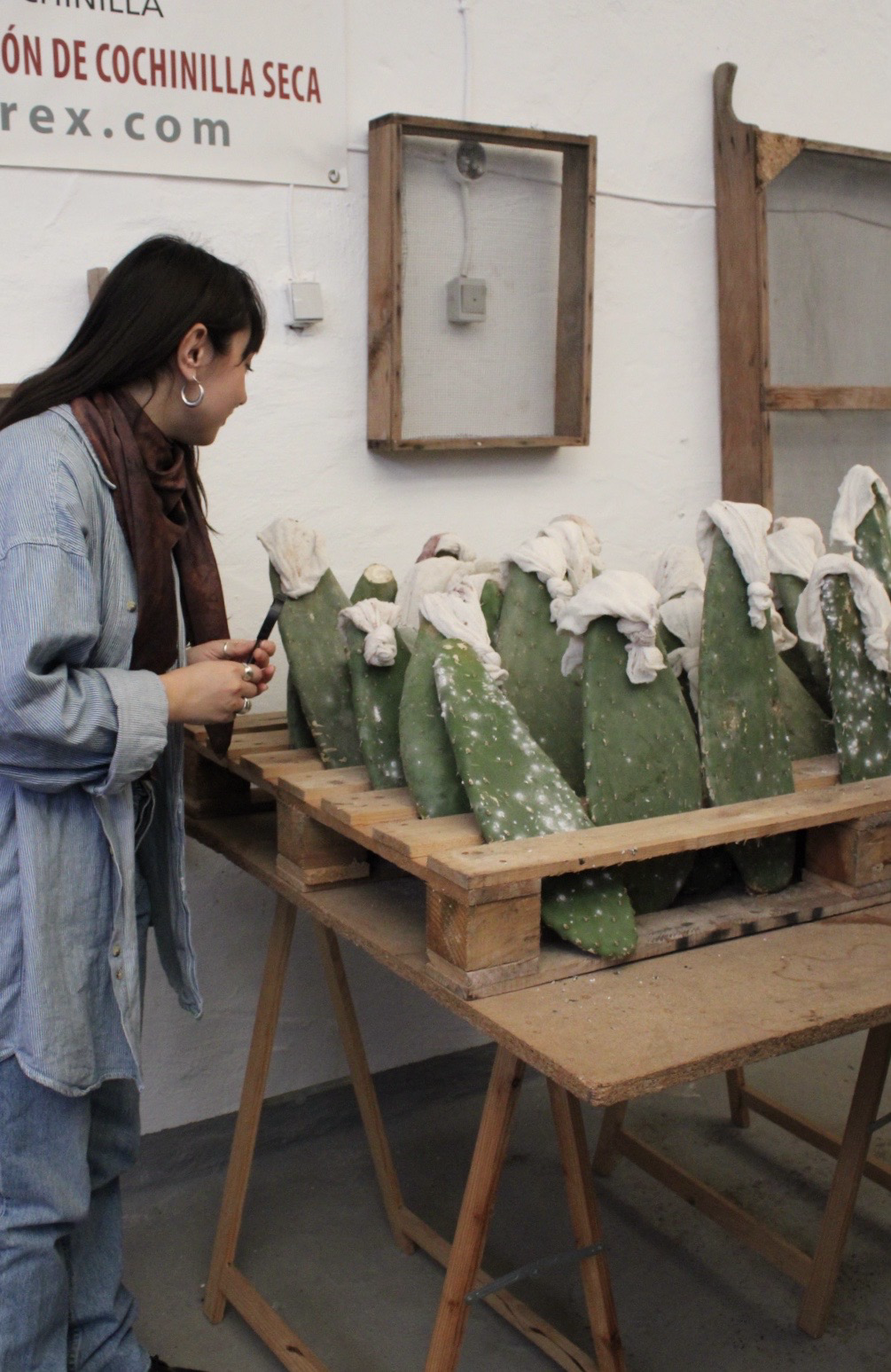
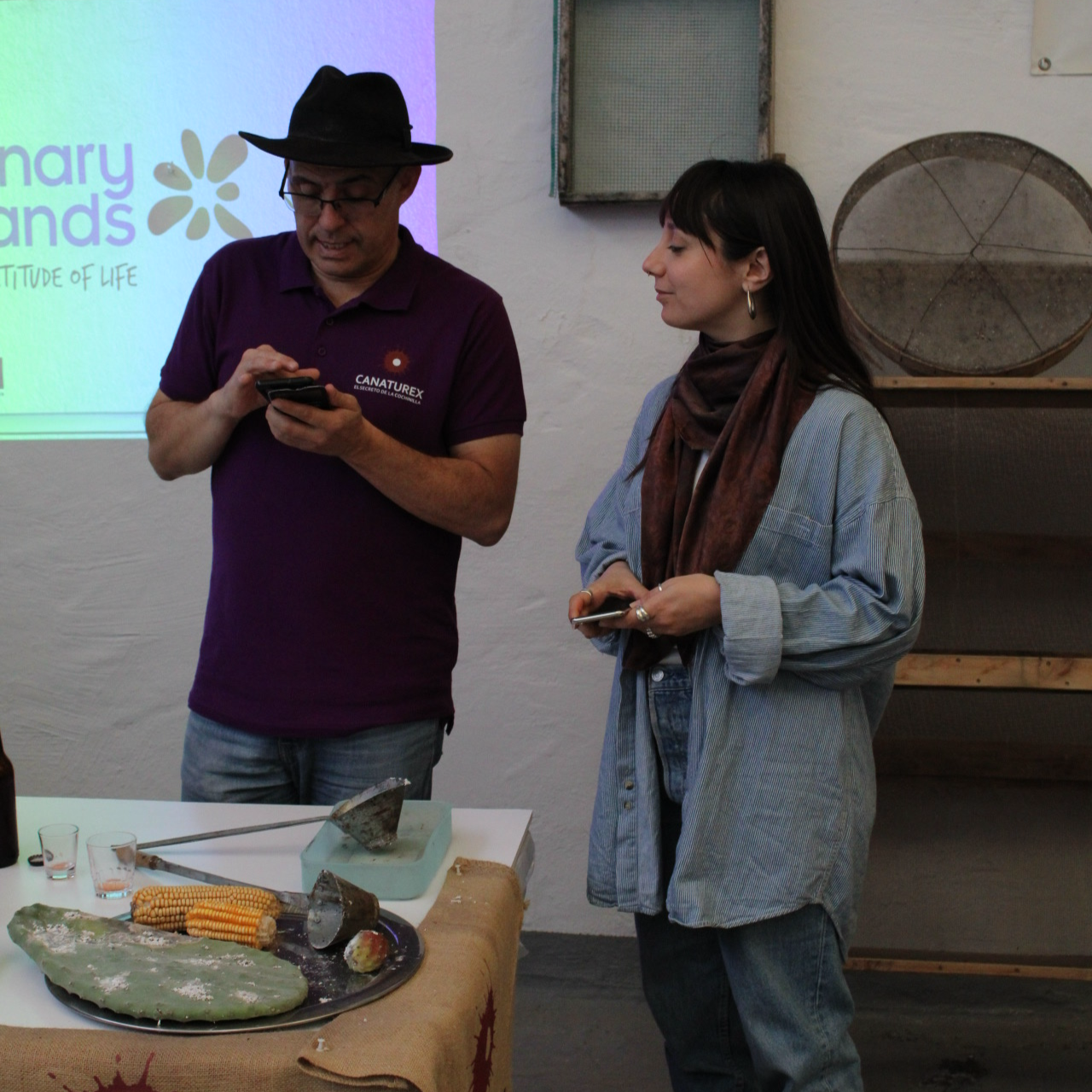
Lorenzo Pérez, founder of Canaturex a third-generation cochineal cultivator, spoke with nostalgia about his deep dedication to achieving the highest quality results. He places great emphasis on the careful cultivation of the cactus, as it is the sole food source for the cochineal, ensuring its optimal development. His passion for this traditional craft and his commitment to excellence have made him a key advocate for natural dyes, and he remains optimistic about their future.
We sincerely thank him for the insightful tour and for sharing such valuable knowledge about the history and cultivation of cochineal in Gran Canaria. His work through Canaturex not only preserves this historic practice but also elevates it to global recognition.
You can also watch a short video from this visit here