
Sustainable Process
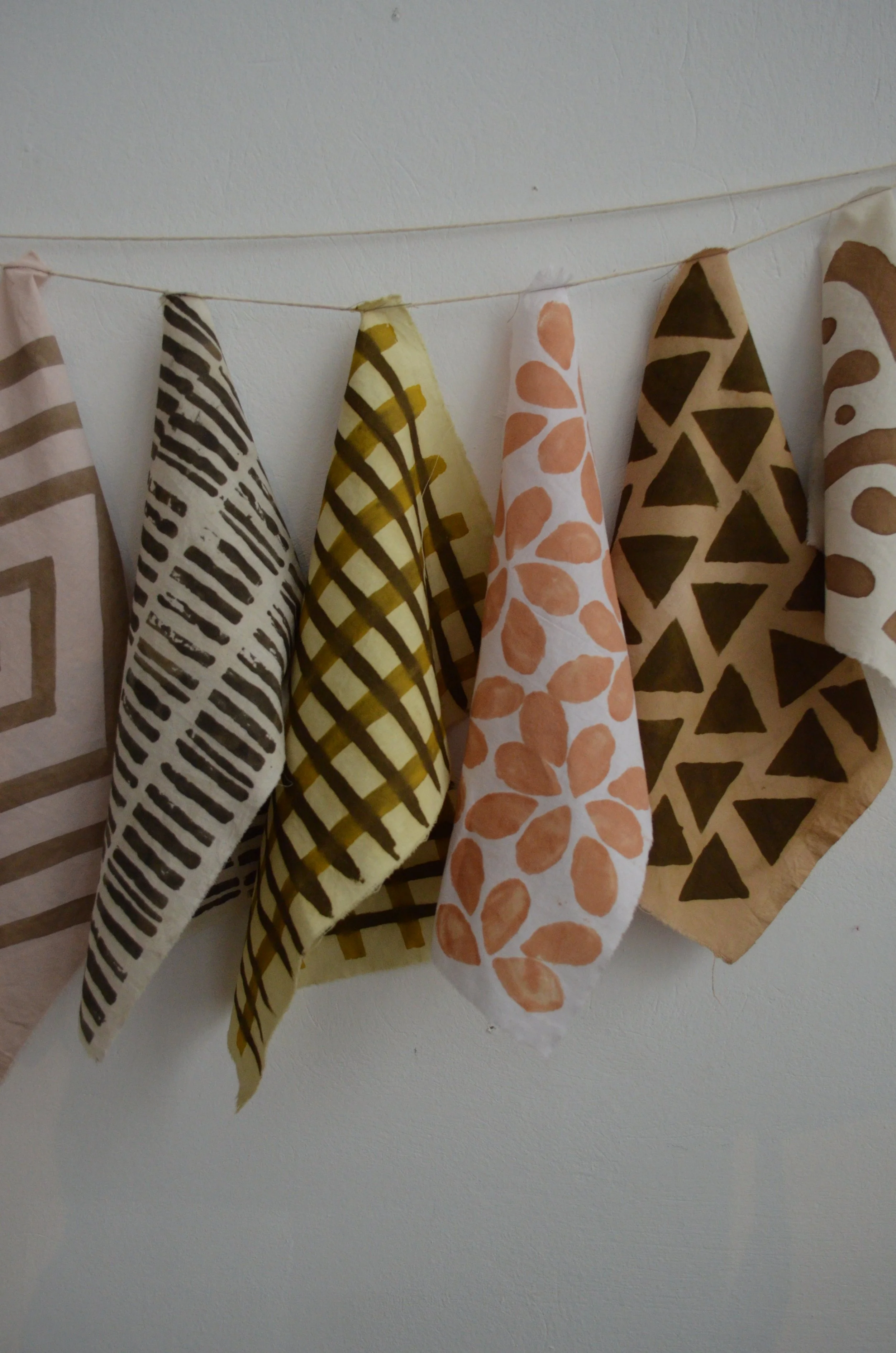
A wealth of textile dyeing and printing techniques is applied at The Botanical Project studio. Techniques from around the world—such as eco-printing, block printing and more—bring all natural fabrics to life.
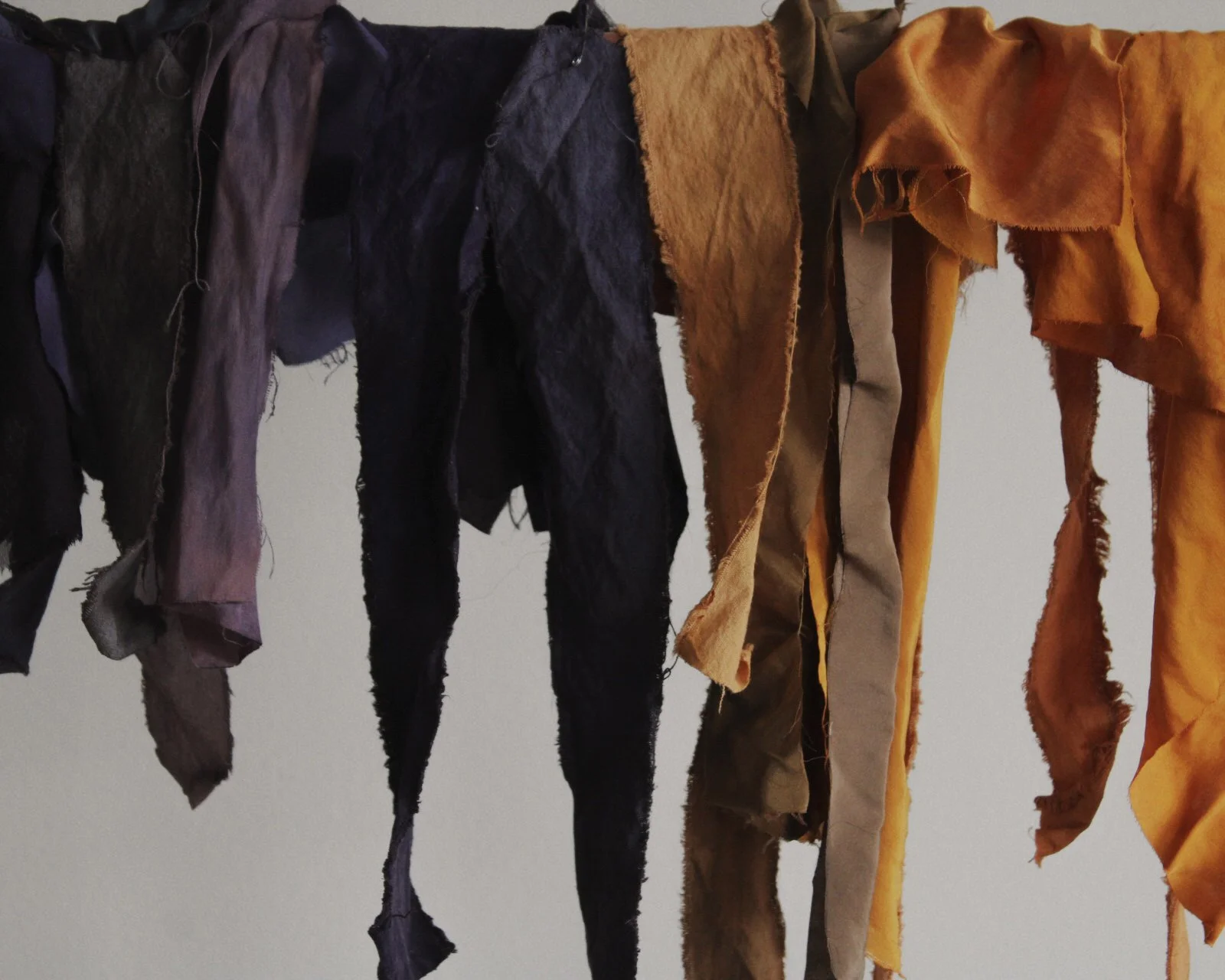
All fabrics are hand - dyed exclusively by Theodora.
The process of dyeing is a slow, demanding, and entirely handcrafted art, one that transcends time and era. Every color laid onto the fabric carries patience and love, telling a story that reaches back through the centuries. From the ancient dyeing techniques of the Mediterranean and Asia, where the first artisans discovered the secrets of natural pigments, to modern studios, dyeing has always required devotion, a keen sense of detail, and reverence for nature.
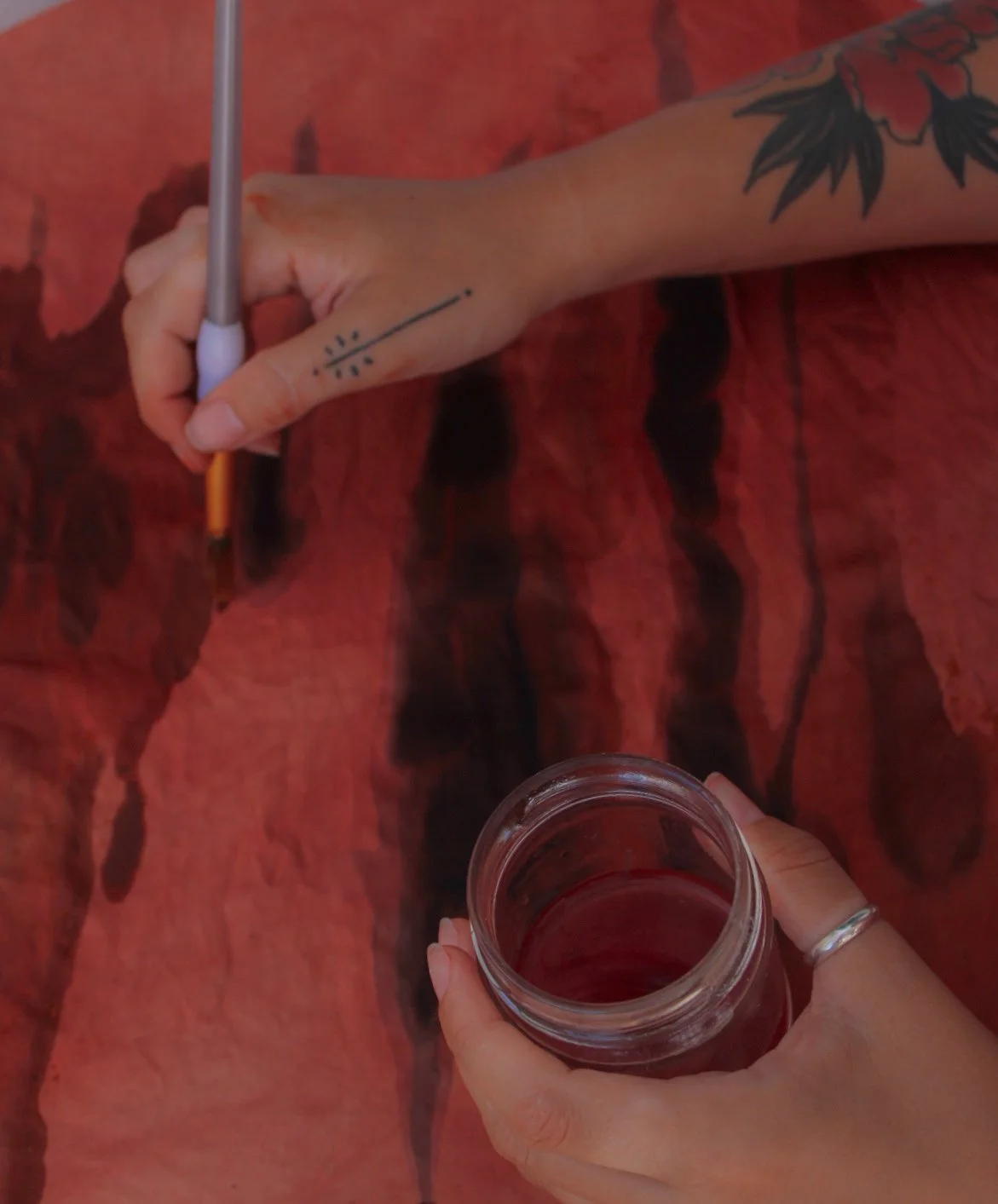
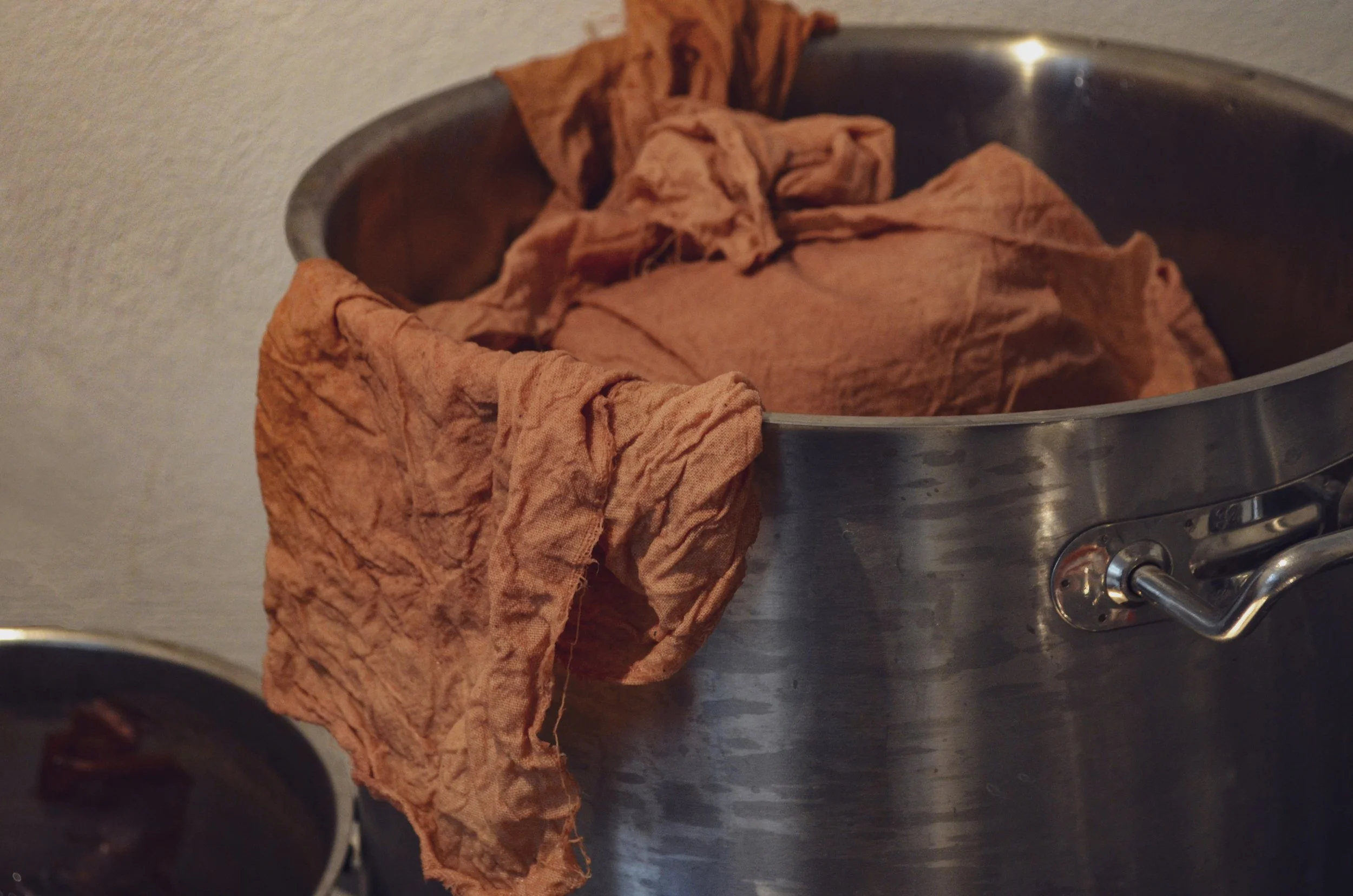
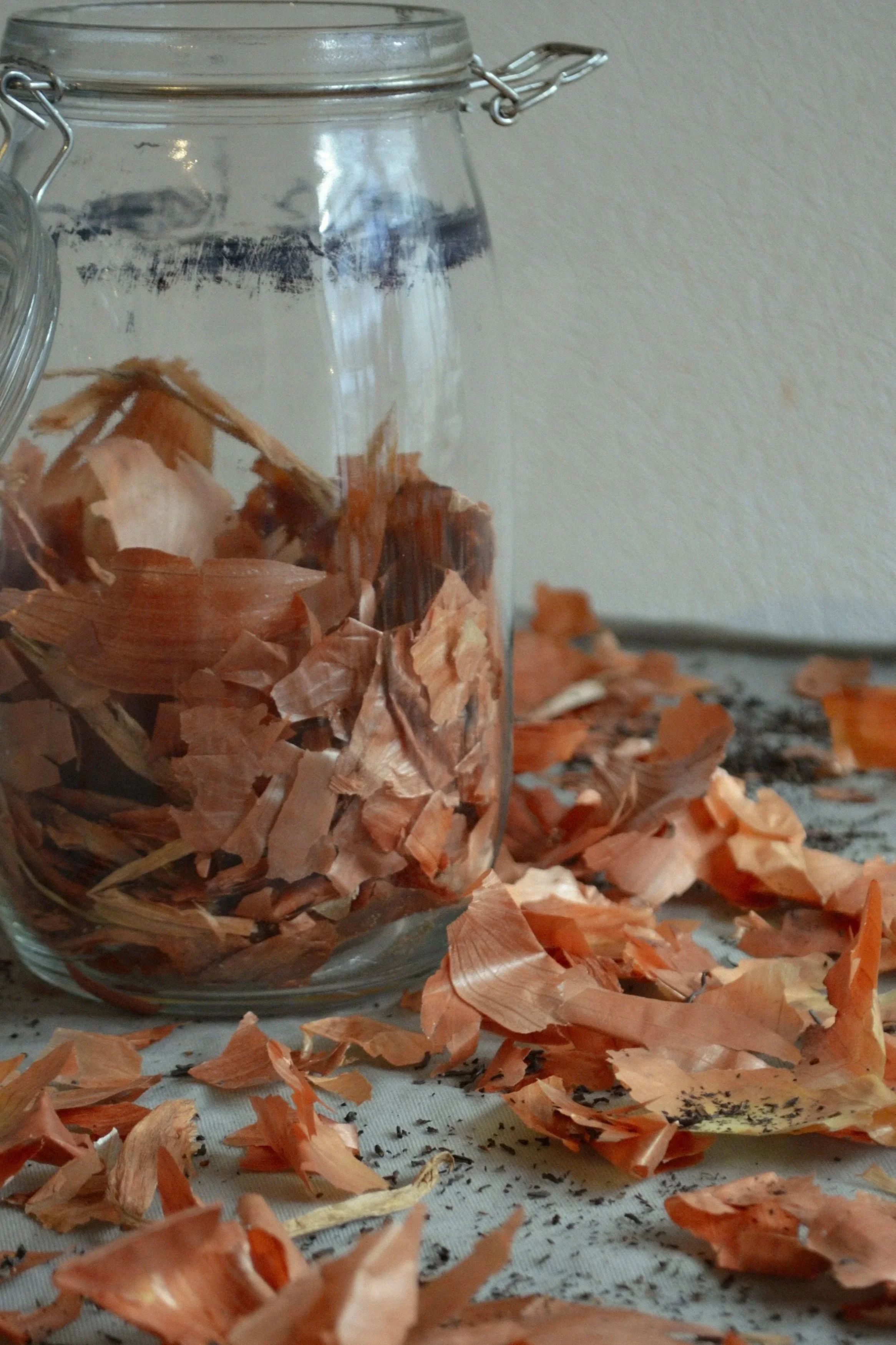
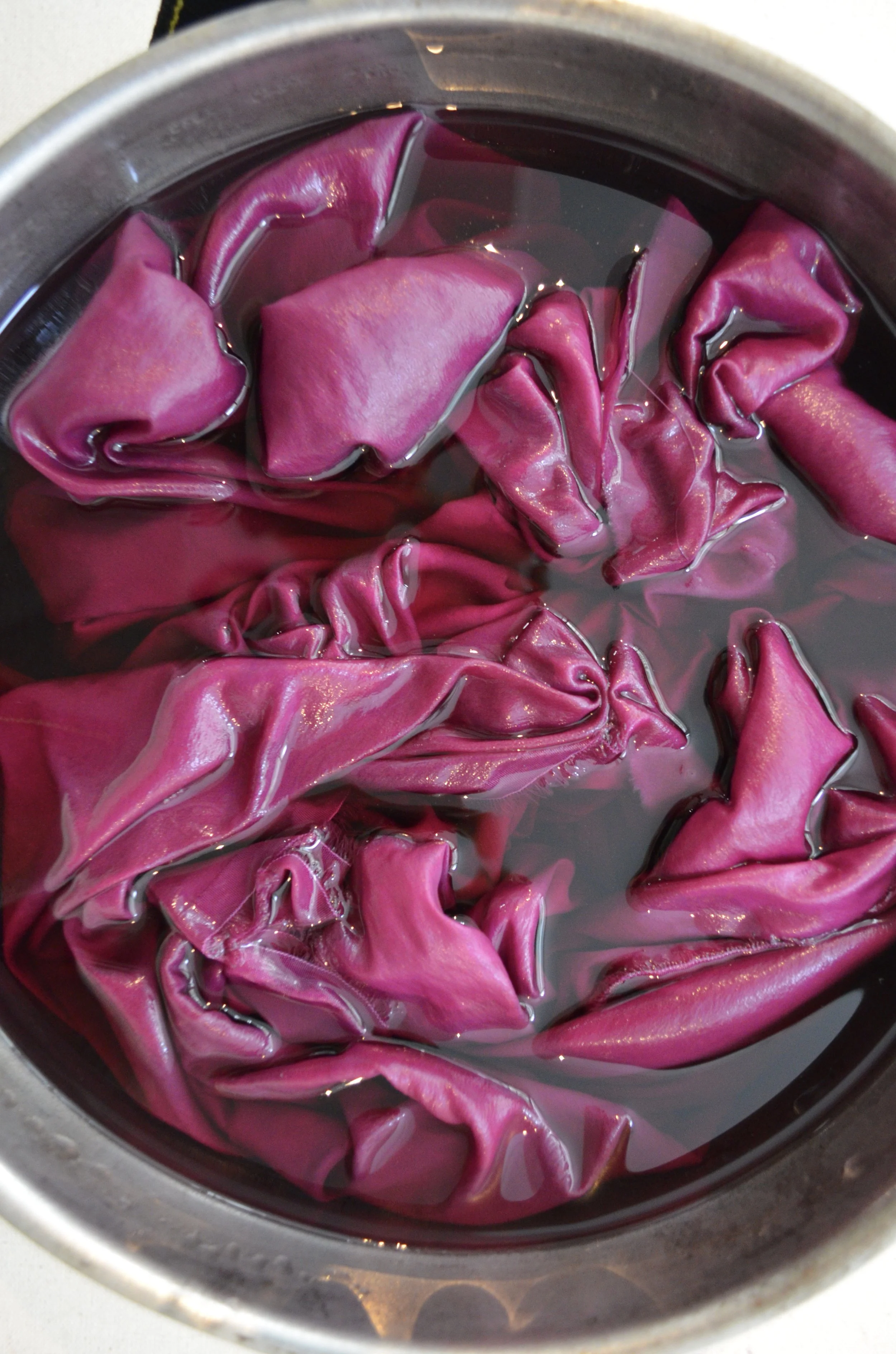
Dyeing of cotton fabric with red onion skins.
Natural Dyes
Most of the plants used by The Botanical Project are cultivated in Theodora’s home village in Western Greece.
Her parents carefully tend the land. With deep respect for nature, the family harvests, dries, and prepares the plants, which are then sent to Athens to meet the needs of the studio. Coming from an agricultural background, they hold an intimate knowledge of the soil, the land, and the rhythms of nature, honoring its gifts through thoughtful cultivation. Some of these include madder root, cosmos, marigolds, dyer’s chamomile, and dahlia.
She also collaborates with producers of traditional cochineal dyeing in the Canary Islands to promote the dissemination of traditional fabric dyeing practices.
Color palettes are shaped by seasonality, as The Botanical Project works in harmony with the cycles of the Greek landscape — flowers and leaves in spring, fruits, peels, and roots in winter — allowing each creation to reflect the time and place from which it originates.
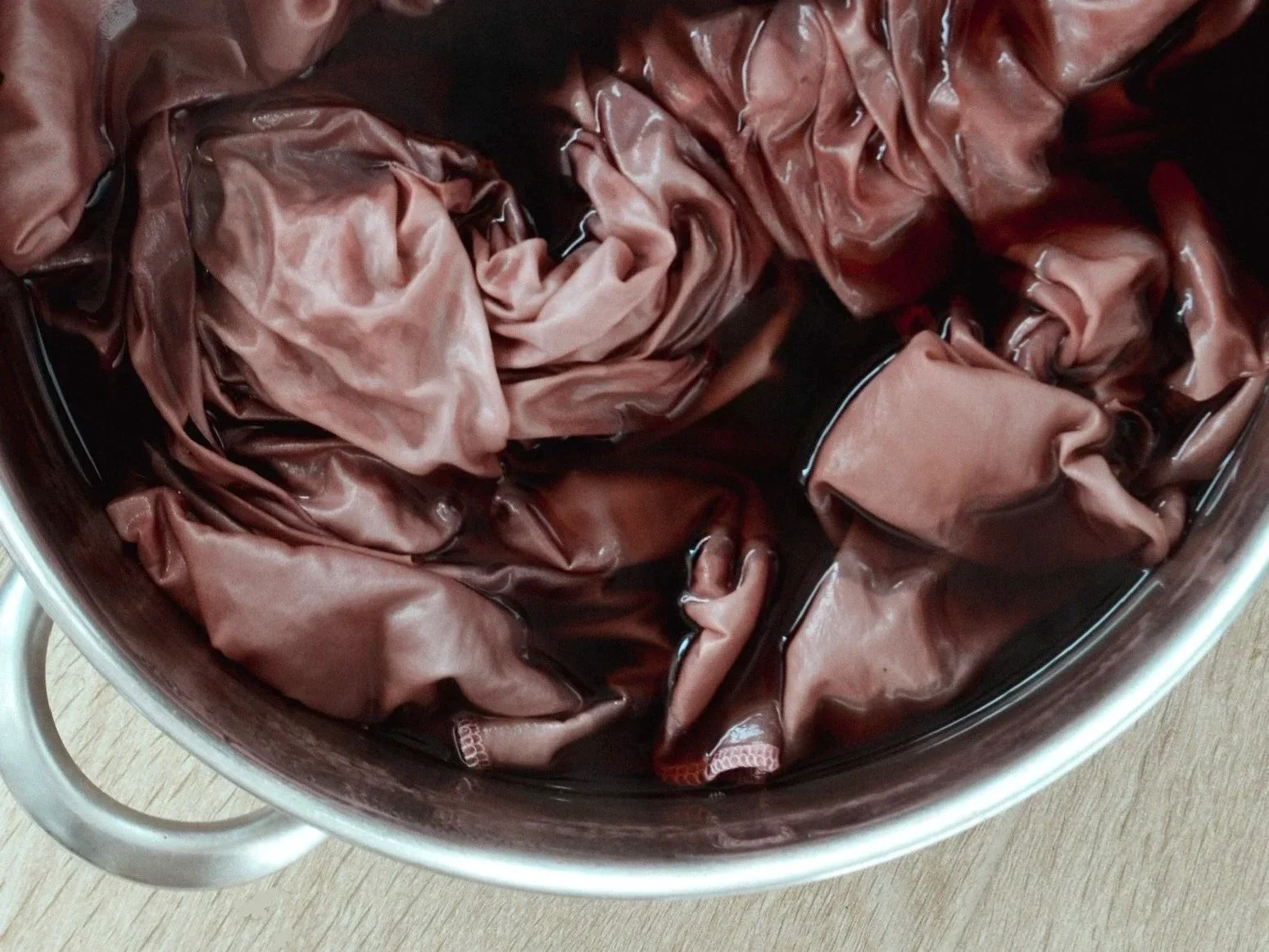
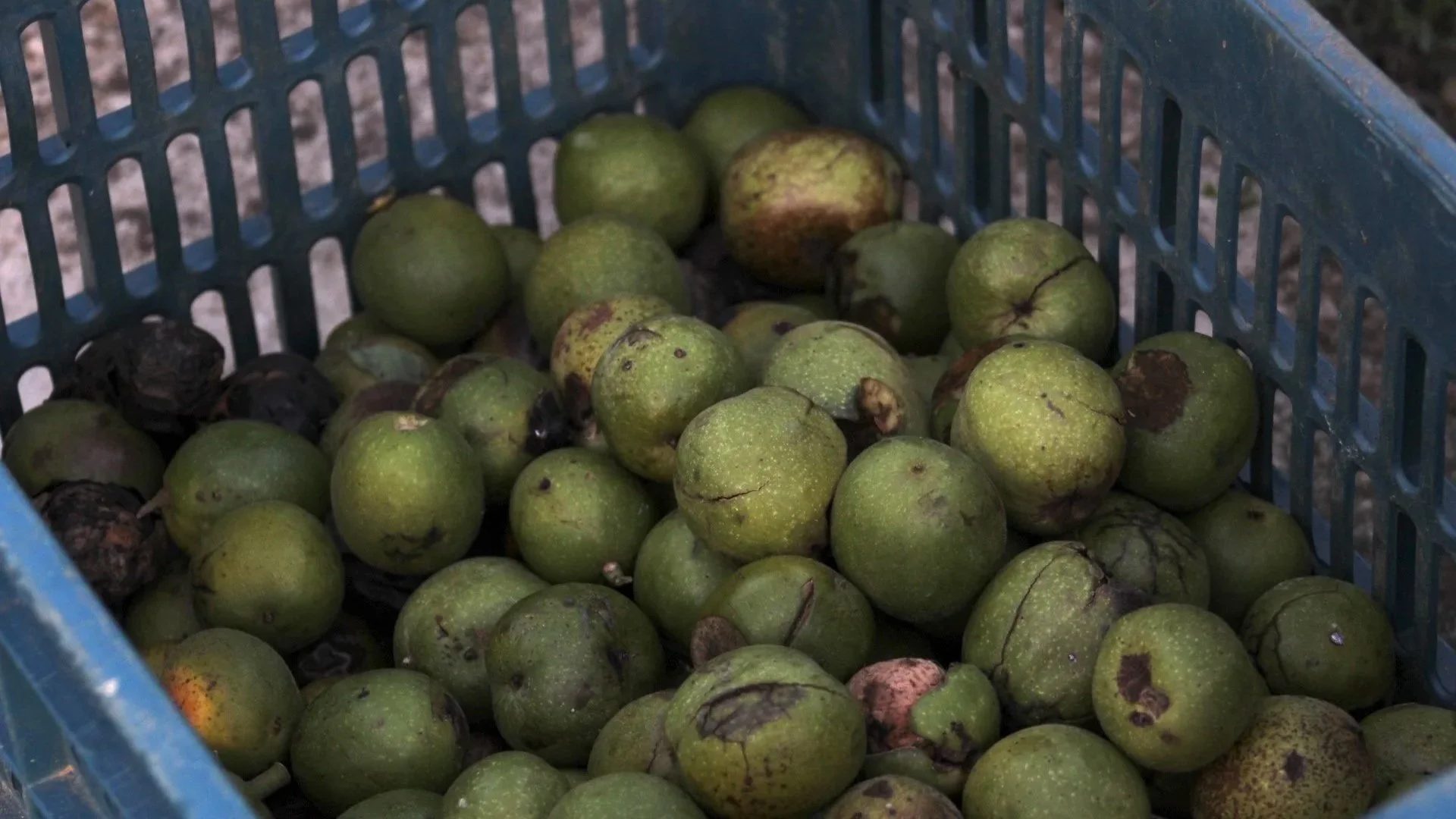
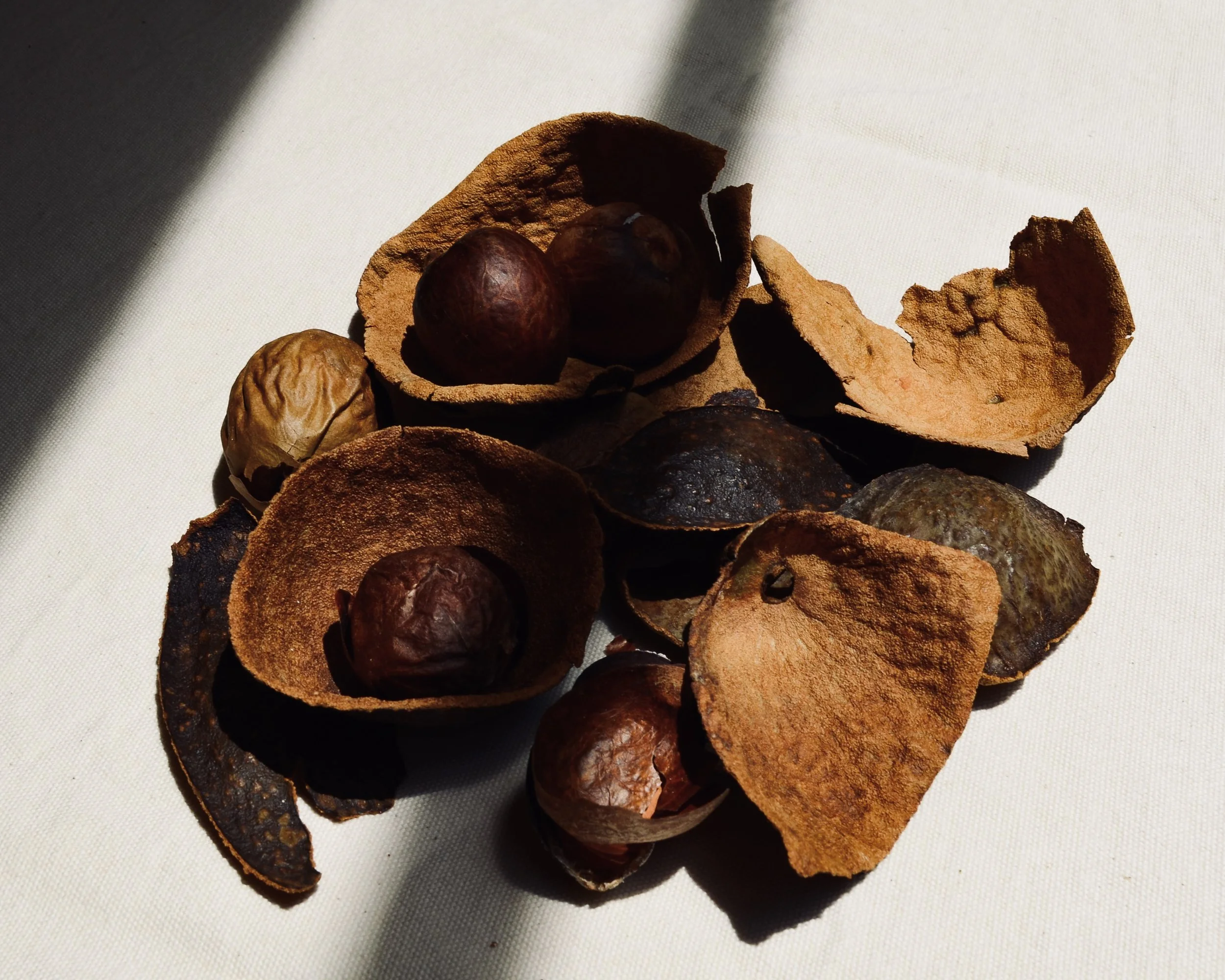
Walnut husks harvested in Western Greece.
Fabrics
The fabrics we work with at The Botanical Project are 100% natural in origin.
They are sourced from ethical suppliers in Greece and abroad, and include high-quality silk, as well as organic linen and cotton textiles.
We believe that what touches your skin matters.
The skin is the largest organ of the body, absorbing both the energy and the chemistry of the materials we wear every day. Natural fabrics breathe, protect, and age beautifully, while synthetic materials can trap toxins and contribute to the global waste crisis.
Natural fabrics are textiles made from fibers that come directly from plants or animals — grown, harvested, and processed without synthetic origin. These include bast fibers such as ramie and linen, seed fibers like cotton, and protein fibers like silk.
Unlike synthetics derived from petroleum or chemical extrusion, natural fibers are alive. They respond to humidity, temperature, and wear. They breathe, biodegrade, and develop a patina over time. Their tactile irregularities are not flaws, but signatures of authenticity.
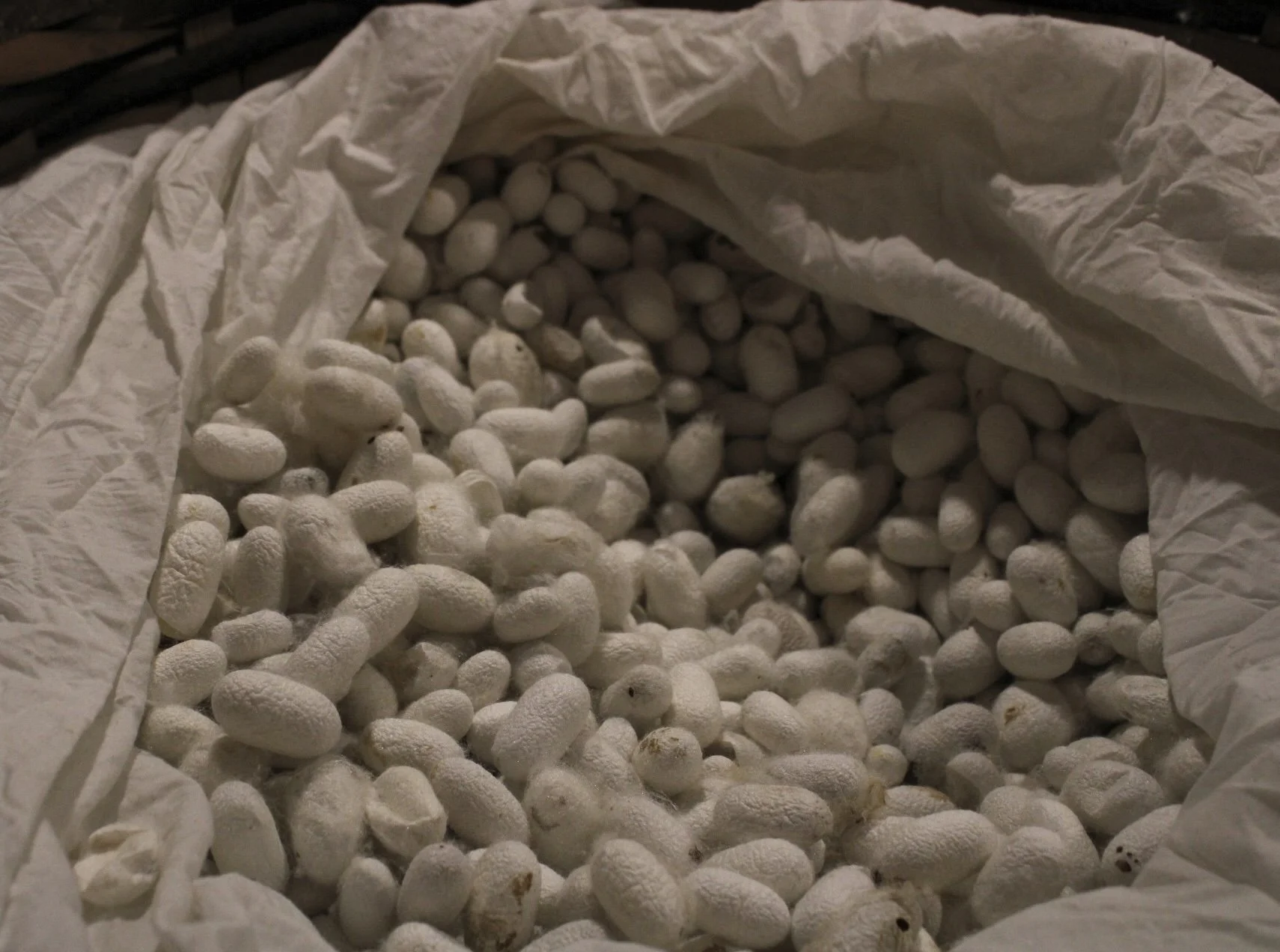
Silk cocoons from Southern Greece, Soufli
Zero & Low Waste Philosophy
The philosophy of the atelier follows the principles of zero waste and low waste at every stage of the process — from water use to color extraction and fabric handling.
Water is used mindfully and never discarded until it has been fully utilized, whether for dyeing or fixation. Nothing is wasted prematurely; each resource is respected for its full potential.
A key element in our color extraction process is the use of food waste. Onion skins, avocado pits, and pomegranate peels are materials that yield exceptionally rich and nuanced color palettes.
Fabric leftovers are never thrown away. Instead, they are reimagined into new projects, allowing materials to continue their life through creative transformation.
Natural Dye Techniques
-
![]()
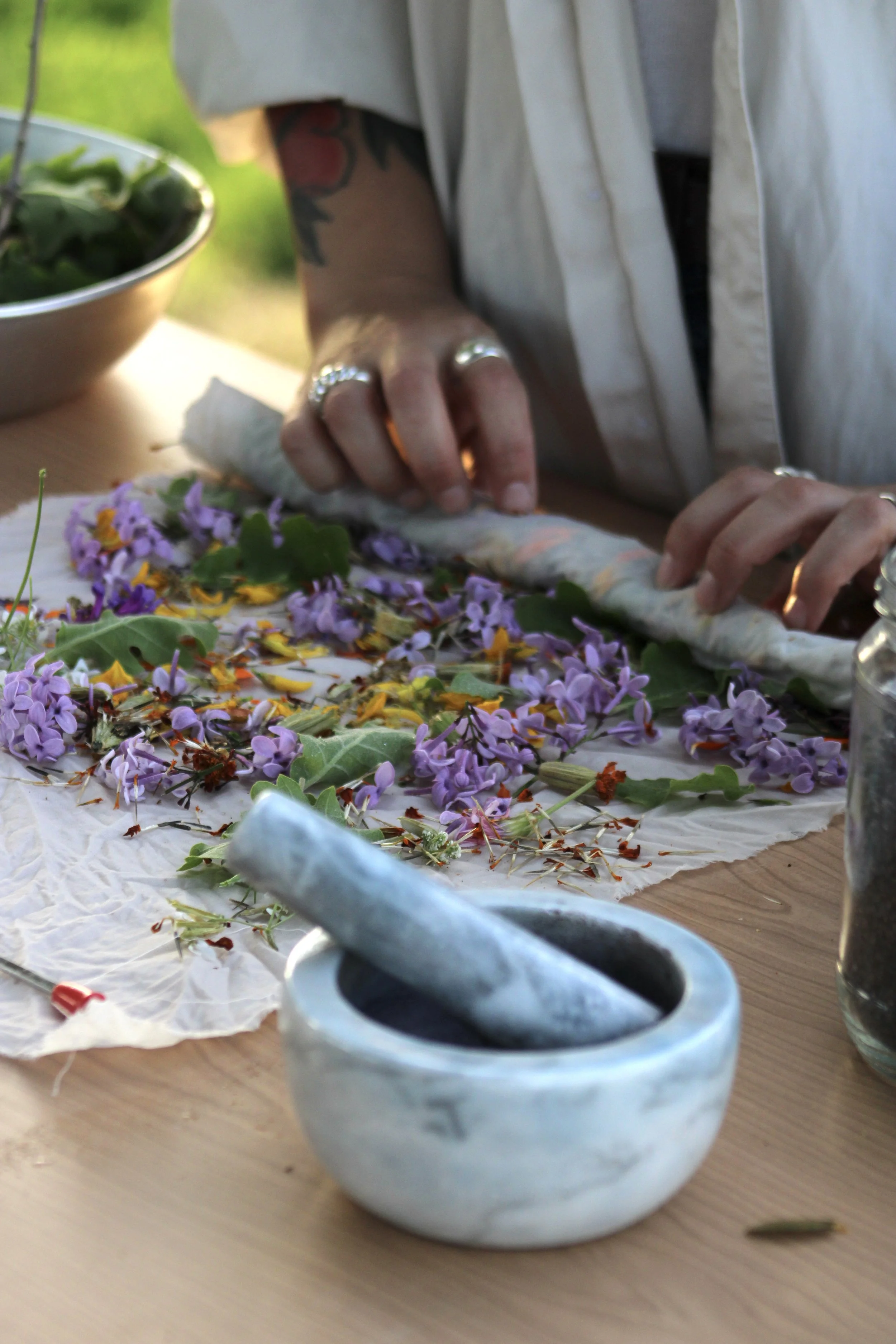
Bundle Dyeing
-
![]()
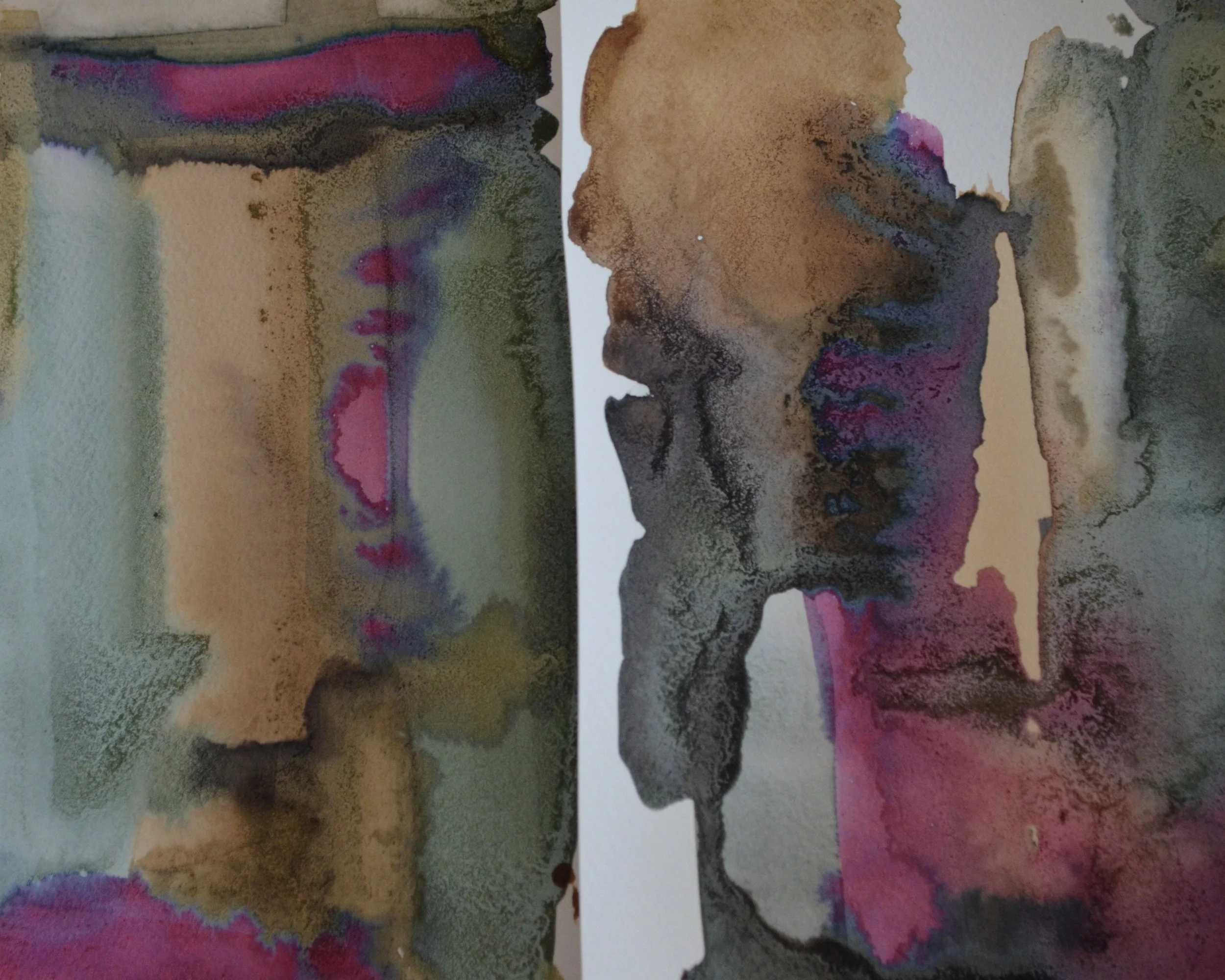
Natural Inks
-
![]()
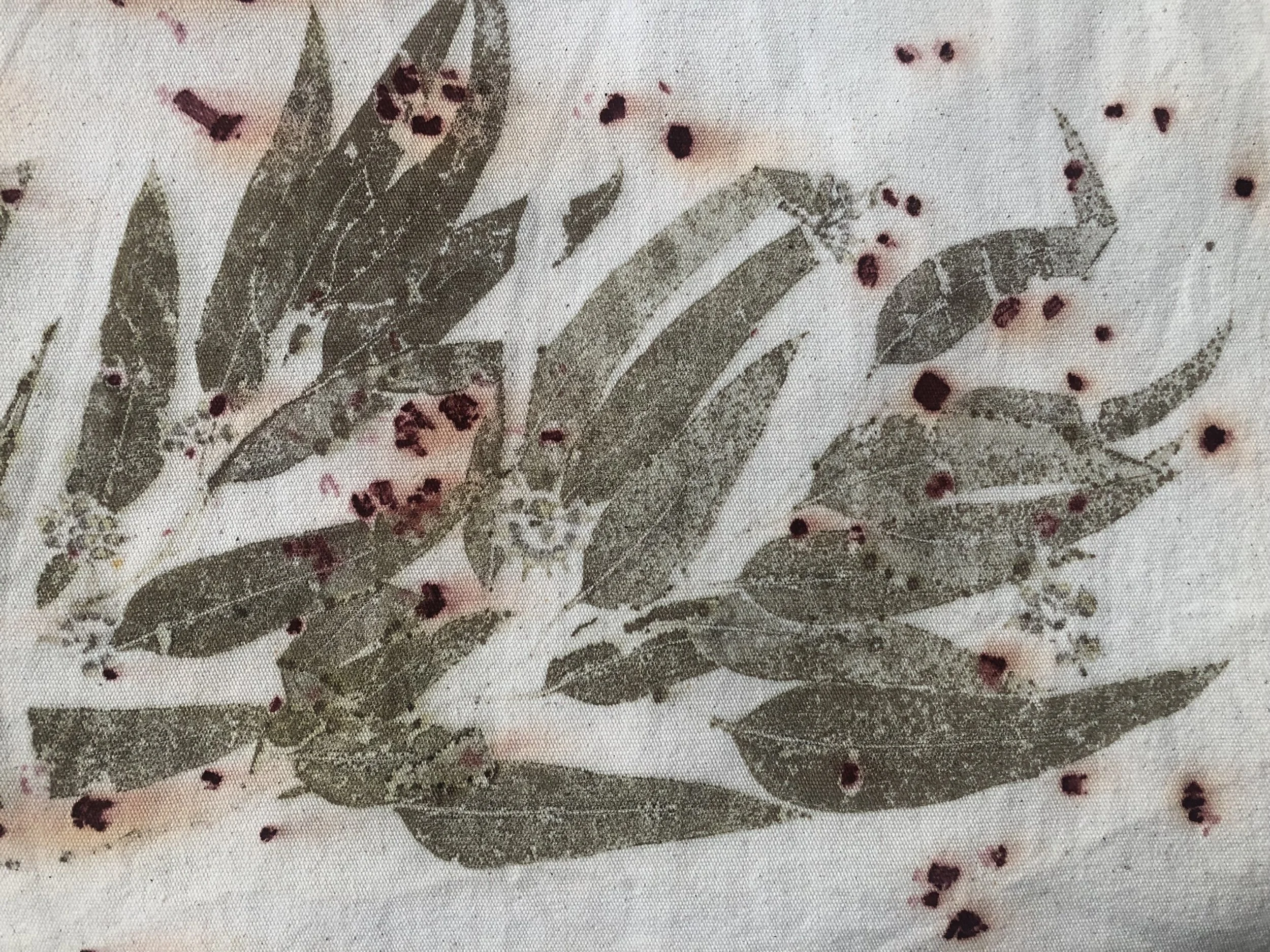
Eco Printing
-
![]()
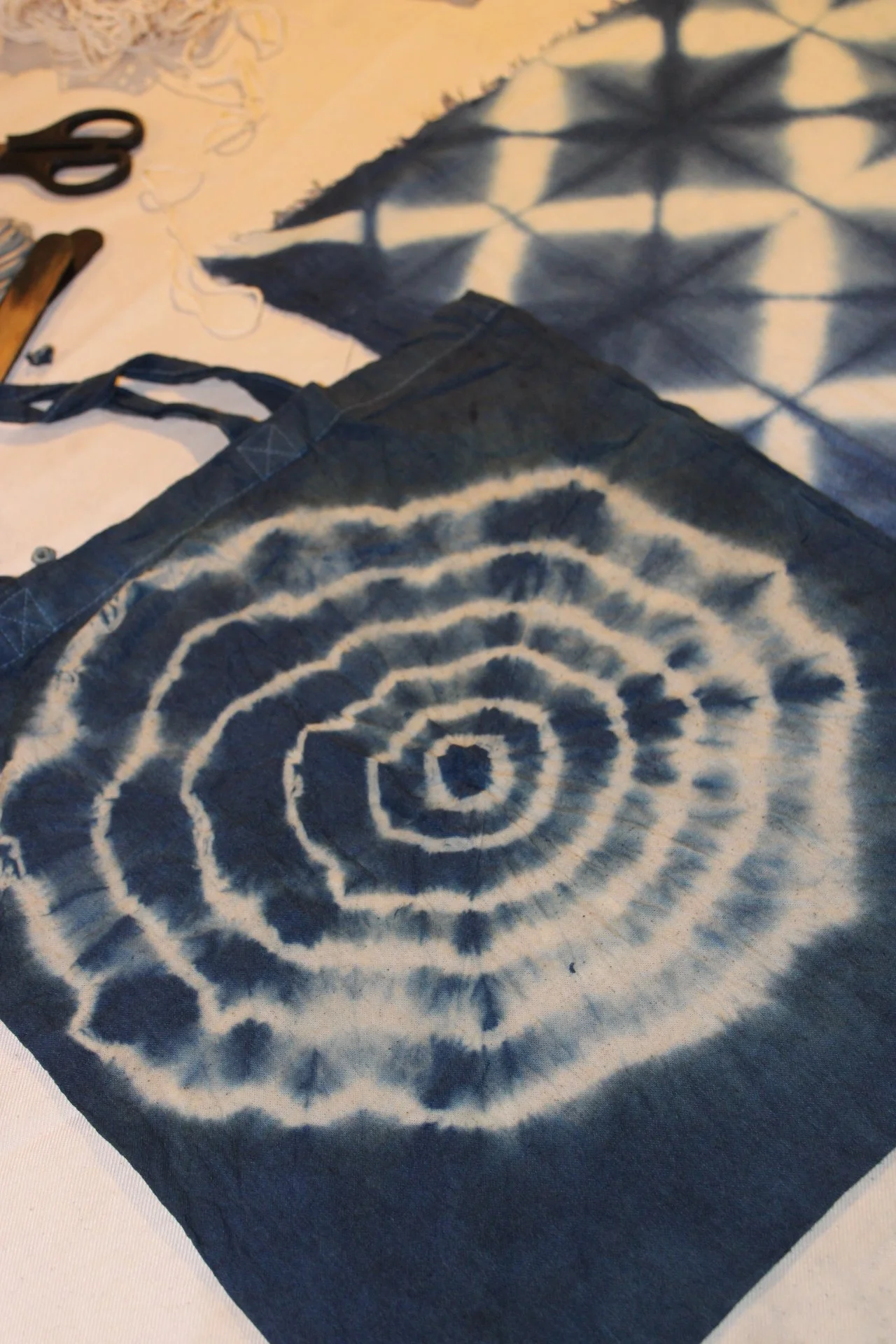
Shibori
-
![]()
Dye Bath
-
![]()
Block Printing
-
![]()
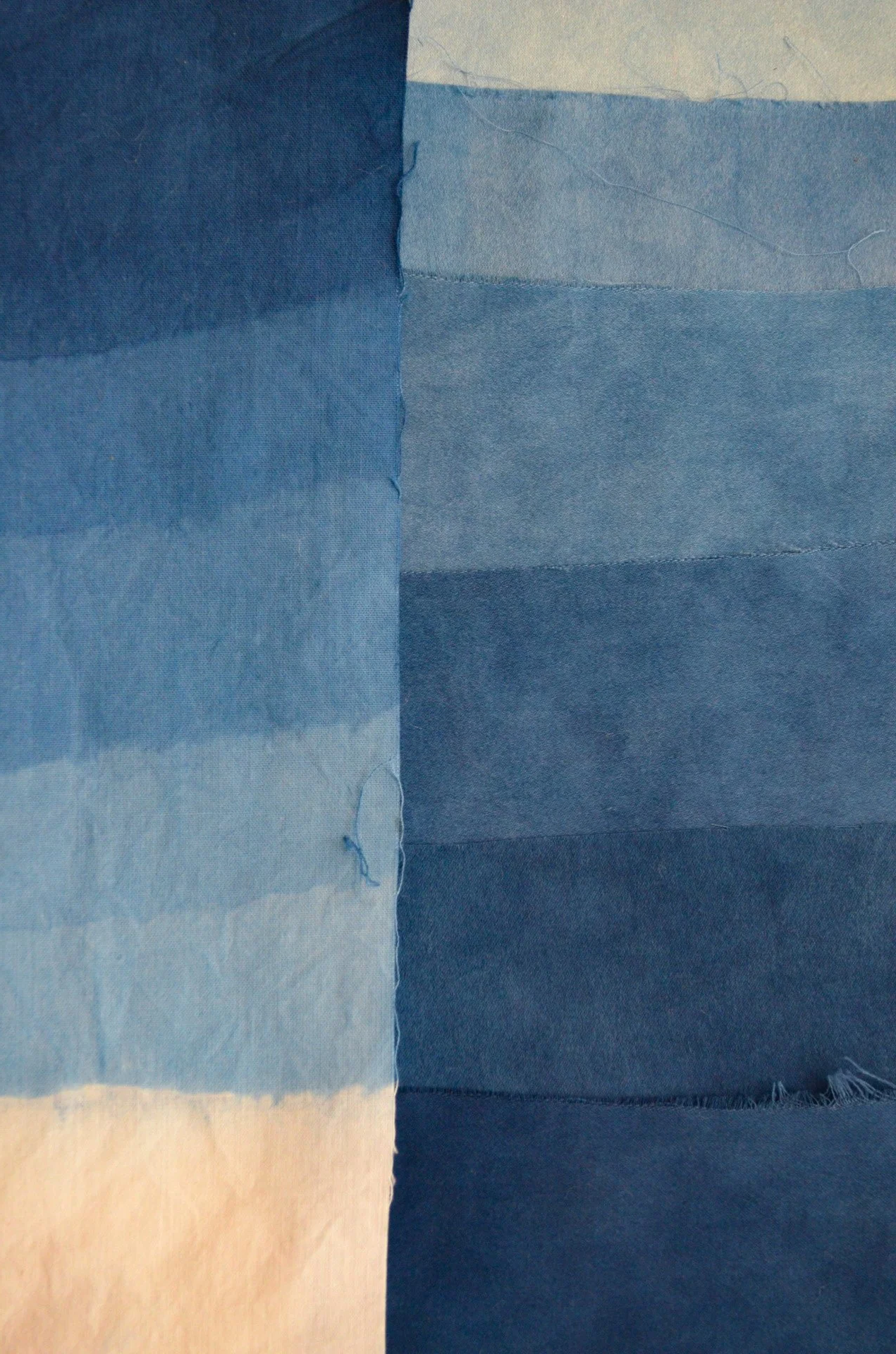
Indigo Dye
Let’s Work Together
Discover the creative services offered by The Botanical Project’s Natural Dye Studio here.